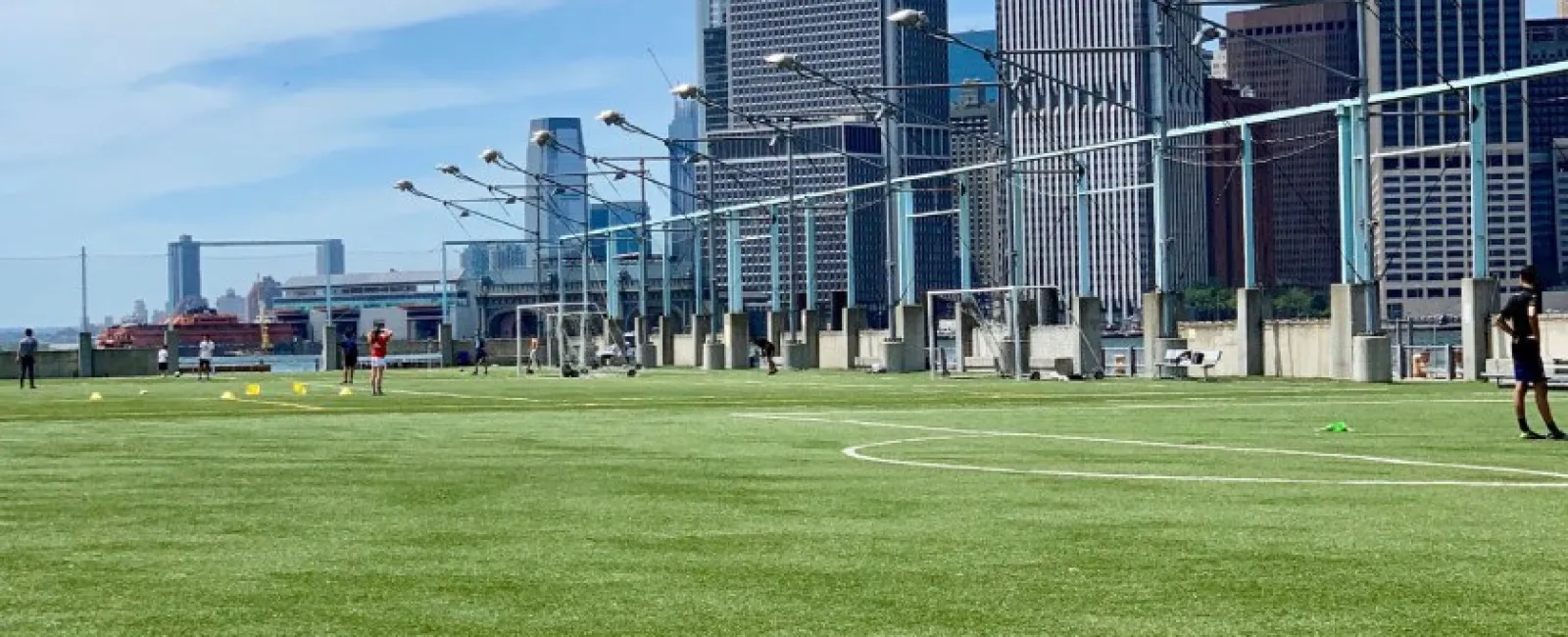
Sports surfaces continue to evolve as modern technology introduces practical solutions for high-performance soccer fields. Professional clubs and local schools now closely compare artificial grass vs. real grass soccer when planning long-term facility investments.
Players depend on a surface that stays reliable during fast movement and physical play across changing weather conditions. Natural fields often struggle under heavy schedules, while synthetic surfaces maintain a consistent feel throughout the year.
We lead the industry because our team delivers top results for every client and every sports facility project. Our company stocks high-quality artificial grass products that withstand constant foot traffic and extreme weather patterns without any degradation.
Turf Tek guides each client through surface selection based on sport demands and regional weather challenges. Years of hands-on experience help teams create professional-grade fields designed for decades of use.
What Is Artificial Grass and How Does It Work?
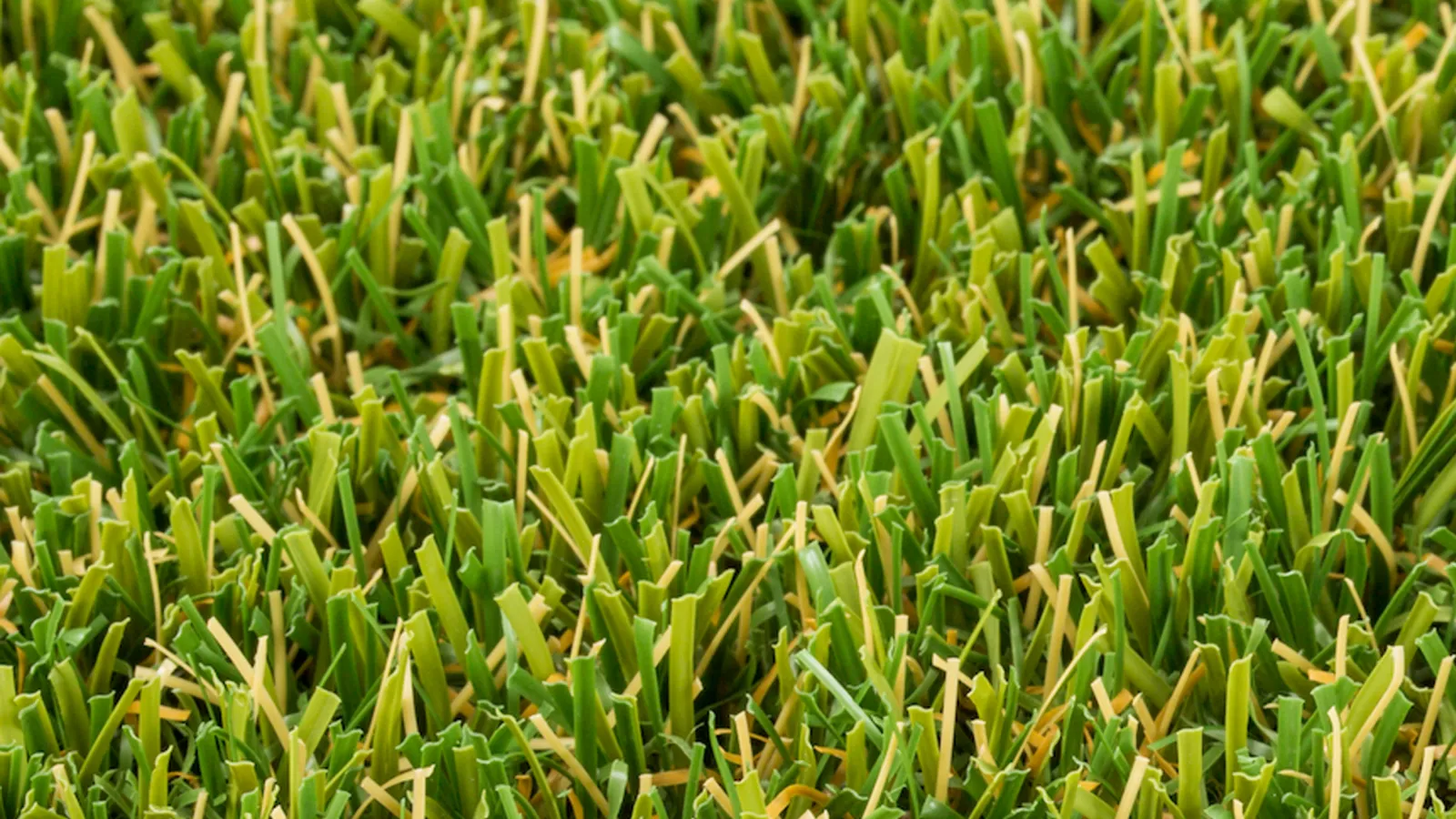
Modern synthetic turf features durable green fibers designed to resemble natural grass in appearance and texture. A reinforced backing secures these fibers while sand or rubber infill adds stability and comfort underfoot.
This layered system creates shock absorption similar to natural soil while reducing impact during falls. Water drains through perforations in the base, keeping the field dry and playable after rainfall.
The Benefits of Artificial Grass Vs. Real Grass Soccer
- Performance
Synthetic fields maintain a flat and even surface that keeps ball movement smooth and predictable throughout each match. Players feel confident because the traction stays consistent across the entire pitch in every season. Drainage systems prevent muddy conditions that often disrupt natural fields. This reliability helps athletes improve ball control since the turf responds the same way during every play.
- Upkeep
Natural grass demands frequent mowing, watering, and fertilization to stay match-ready. Synthetic turf removes these ongoing tasks because the fibers do not grow or deteriorate in extreme heat. Maintenance crews spend less time on field care, with a focus mainly on light brushing to maintain fiber position. Reduced water use also lowers utility costs and removes reliance on chemical treatments.
- Longevity
Real turf wears out quickly when teams play multiple games per day on the same patch of ground in the rain. Synthetic surfaces handle constant back-to-back matches without any bare spots or dirt patches appearing in the goal mouths.
These fields last for many years because the materials resist sun damage and maintain their bright green color without fading. High usage rates make this option very cost-effective for busy community parks that host many different local teams.
- Safety
Advanced infill layers create a cushioned base that reduces the impact on player joints and lowers the risk of common leg injuries. The uniform surface removes the danger of hidden holes or uneven bumps that cause many trips and falls on natural dirt.
Engineers test these materials to meet strict safety standards so the ground remains soft and pliable for all age groups. Consistent traction prevents slips during quick turns and helps soccer players maintain their balance during high-speed sprints.
Durability Comparison: Artificial Vs. Real Grass
Synthetic fibers possess extreme resistance to the physical stress of daily football matches and heavy training sessions throughout the year. These materials maintain their structure under the pressure of sharp cleats, while natural blades often snap and die from friction.
A plastic field lasts about ten years because high-quality polymers resist sun damage and heavy rain without losing their green color. Real fields need rest periods to recover from wear, but artificial options stay ready for play every single hour.
Maintenance Requirements: Artificial Grass Vs. Real Grass
Cleaning
Workers use specialized vacuums to remove leaves and trash from the surface to prevent the buildup of organic debris. This process keeps the drainage holes clear, so water moves away from the pitch quickly during heavy rainstorms.
Regular sanitization prevents the growth of bacteria or mold in the infill layer to keep the environment healthy. Clean fields look better and perform more reliably for players who depend on a stable ground for their footing.
Brushing
Heavy brushes pull the synthetic fibers upward to prevent the blades from lying flat after a busy weekend of matches. This action redistributes the rubber infill across the field to maintain an even depth and soft feel for everyone. Staff complete this task in a few hours with a small tractor and a rear attachment designed for turf.
Irrigation:
Natural grass needs millions of gallons of water every year to survive the heat of summer and stay soft. Synthetic fields only require a light spray during the hottest days to lower the surface temperature for better player comfort. This minimal water use protects local resources while it also lowers the monthly utility bills for schools and community clubs.
Owners never worry about brown spots or dead patches during droughts because the plastic blades remain green without any water.
Repairs
Small tears in the backing material require immediate attention to prevent larger holes that could trip a running soccer player. Technicians use strong adhesives to patch these areas and keep the surface seamless for many more years of use. Natural fields often need expensive sod replacement, but synthetic repairs are fast and keep the pitch open for play.
Cost Analysis: Long-Term Investment in Grass
Installing a synthetic pitch involves a higher initial price because the project requires extensive ground preparation and high-quality materials. These upfront expenses pay for themselves over time because the annual upkeep costs remain much lower than natural alternatives.
Facilities save significant money on water and fuel and labor because they no longer mow or fertilize the ground. Total savings over a decade often exceed the original purchase price, making the synthetic option a smart financial choice.
Safety and Player Comfort: Grass Turf Considerations
Engineered infill systems provide excellent shock absorption that mimics the natural give of healthy soil to protect player knees and ankles. The flat surface removes the danger of hidden ruts and holes that often cause serious injuries on traditional grass fields.
Modern fibers feel soft against the skin to reduce the risk of painful turf burns during sliding tackles or falls. These safety features remain consistent across the entire field so every athlete plays with maximum confidence and reduced physical stress.
The Playability Factor: Artificial Vs. Real Grass Fields
A level surface allows the ball to roll with perfect accuracy and predictable speed during every pass and shot on goal. Players experience the same traction in the middle of the field as they do near the corners or goals.
This uniformity helps teams develop better technical skills because the ground never surprises them with a bad bounce or slip. Constant availability means athletes spend more time practicing their craft rather than waiting for the grass to grow or dry.
Popularity and Trends in Soccer Field Surfaces
Professional clubs and local municipalities choose synthetic options more often because they want to maximize the use of their land. Modern stadiums now feature hybrid systems that mix natural roots with plastic fibers for the ultimate elite playing experience.
Communities demand surfaces that withstand multiple sports and events without the need for long rest periods or expensive repairs.
Get Professional Turf Services from Turf Tek
We offer commercial turf solutions for sports fields that withstand heavy foot traffic and keep a perfect appearance throughout the year. Our crews work fast to finish large projects in half the time of other installers because we value your time. People trust our expertise because we possess decades of construction experience and hold a perfect rating with the Better Business Bureau.
We help city planners and park managers find the right artificial turf grass for public spaces to lower long-term costs. Our specialized knowledge allows us to handle difficult installations on rooftops or schools with complete confidence in our final work.
You receive a full warranty on our labor because we build every project to last through many seasons of play. Turf Tek remains a local leader because we focus on quality and honesty for every homeowner and business client.