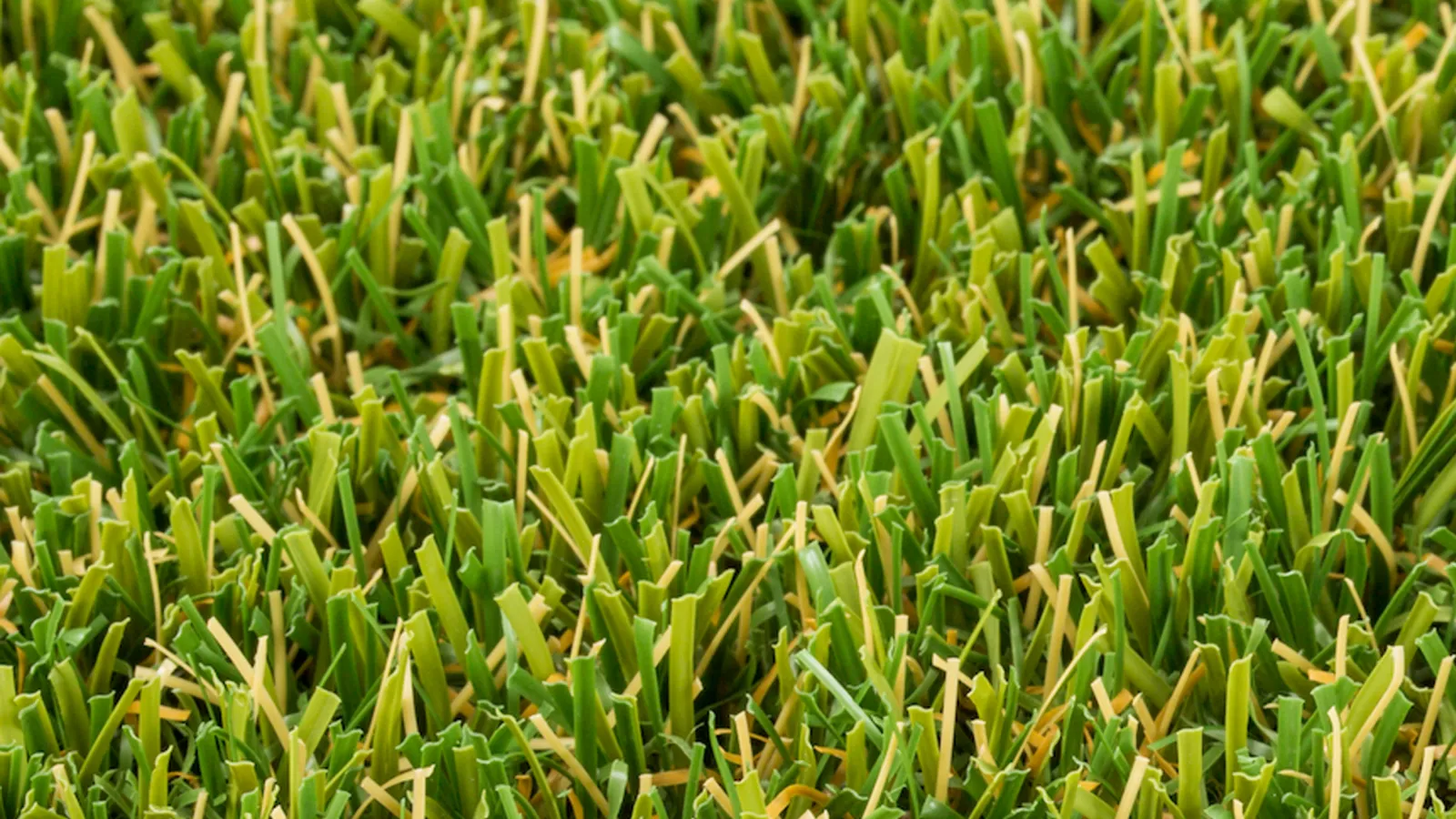
Artificial grass is an excellent choice for homeowners and businesses looking for a beautiful, low-maintenance solution for their outdoor spaces. However, when mistakes occur during setup, the results can be disappointing. These artificial grass mistakes can lead to costly repairs and a shorter lifespan for the turf. Making sure your setup is completed right from the beginning is very important for satisfaction over time. Avoiding these common pitfalls will save you time and money, helping you enjoy your artificial grass for many years to come.
Incorrect Site Preparation Causes Issues
The first and most important action when setting up artificial grass is preparing the site. If the ground is not flat or packed correctly, it can result in the turf moving or wrinkling. For a strong base, the area must be cleared of clutter and flattened to create a smooth surface. Without correct preparation, the artificial grass might fold over time, demanding costly repairs. Bad site preparation also hurts water runoff, which can cause standing water and harm the turf. It is vital to spend time preparing the area properly to avoid these problems from the start.
A surface that is not ready also leads to wear that is not uniform on the turf. Over time, spots with heavy foot traffic can get squashed and may lose their look and strength. This causes ugly patches that are hard to fix. If you don't get the groundwork right, the turf will be open to all kinds of damage. Even if the artificial grass is top quality, bad setup methods will cause it to perform poorly.
Not Using an Effective Weed Barrier
A weed barrier is a key part of an artificial grass setup, and skipping it can lead to many issues. Weeds can grow through the synthetic grass if the barrier is missing. The growing weeds create raised areas and flaws on the surface, which might mess up the lawn's look and feel. Without a weed barrier, the setup is open to unwanted plant growth, making your artificial turf harder to keep up. The need to frequently pull weeds can lessen the benefits of having a low-maintenance lawn.
Good weed barriers are designed to let water run off while stopping plant life from pushing through. This makes sure the artificial grass stays complete and clear of any blockages. Using the wrong kind of material or forgetting to set up the barrier correctly can cause maintenance troubles in the future. A strong weed barrier is a simple but necessary part of the setup process that allows for enduring turf with minimal upkeep.
Forgetting Drainage Can Cause Standing Water
Another common error is forgetting about proper water drainage when setting up artificial grass. Without enough drainage, water can collect on the surface, leading to damage and possible mildew growth. If the ground under the turf does not let water move well, the synthetic grass can get soaked, hurting its sturdiness. Water pooling not only affects your lawn's look but also causes the turf to break down faster. Over time, trapped wetness can result in bad smells and draw pests, creating even more maintenance work.
To prevent water drainage problems, make sure the ground under the turf has a slight angle to guide water away from the spot. Setting up a base that permits quick water movement will keep the artificial grass in great shape for a longer time. Good drainage systems are an integrated part of the setup process, as they make sure the artificial turf can handle the weather and keep its visual appeal. Without this important step, your artificial grass will have functioning problems and demand costly fixes.
Failing to Fasten Turf Edges Correctly
One of the most frequent errors made when setting up artificial grass is not securing the edges properly. If the turf edges are not anchored well, they can lift or roll up, making gaps or uneven spots. This not only hurts the overall look but can also cause the turf to shift or separate over time. Properly fastening the edges of the artificial grass helps it remain in place and keep a neat, finished look. Use high-grade glue or specialized turf stakes to secure the edges firmly to the base material.
Along with securing the edges, be sure they are cut neatly to prevent visible joins. When the edges are finished correctly, the turf will blend smoothly with what surrounds it, making a more expert appearance. Skipping this step can lead to unattractive gaps and possible harm to the turf. Taking the time to secure the edges correctly helps achieve enduring results and improves the overall look of the setup.
Setting Up Turf on Sloped Ground Issues
Setting up artificial grass on sloped ground causes various problems. Uneven surfaces can result in the turf shifting or forming creases, which can harm both the look and sturdiness of the lawn. To prevent this, confirm the ground is flat before laying the turf. Any low or high spots should be fixed to establish an even surface. Without good leveling, the artificial grass will not sit flat, which can cause long-term damage and wear. Sloped ground can also create spots where water gathers, further harming the turf.
Leveling the surface also aids better water runoff, guaranteeing that water does not gather in unwanted spots. A flat surface promotes consistent drainage, which is vital for keeping the turf sound. By fixing the ground's unevenness before setup, you can make sure the artificial grass stays whole and usable for years. It's important to get this action right to avoid issues that might appear later.
Not Allowing for Correct Turf Expansion
Artificial grass stretches and shrinks with changes in temperature. Failing to leave room for this movement can result in the turf stretching, warping, or pulling apart. When setting up artificial grass, it's important to leave enough room around the edges to allow for any natural movement. This lets the turf adjust to changing weather without getting damaged or losing shape. Setting up the turf too tightly can lead to discomfort, wear, or visible gaps as the material expands.
A good turf setup should consider the material's natural stretching and shrinking. By leaving the right space around the edges, you make sure the turf can adjust without changing its form. This small action helps maintain your artificial grass's lifespan, stopping early wear and improving its overall look and feel.
Using Low-Quality Materials for Turf
The quality of materials used during the setup process directly impacts the performance and duration of artificial grass. Using poor-quality turf or low-grade materials can lead to various problems, such as fading, matting, and less sturdiness. Always select high-quality synthetic grass made from the best materials to achieve longevity and reliability. High-quality turf is built to handle different weather, keep its color, and maintain its structure over time.
Using fewer materials can result in frequent repairs or the need for replacements, which defeats the point of setting up artificial grass. For the best outcomes, pick a trustworthy supplier who offers only premium-grade synthetic turf and materials. By putting money into quality products from the beginning, you can have a beautiful, useful lawn for many years.
Setting Up Artificial Grass Without the Right Tools
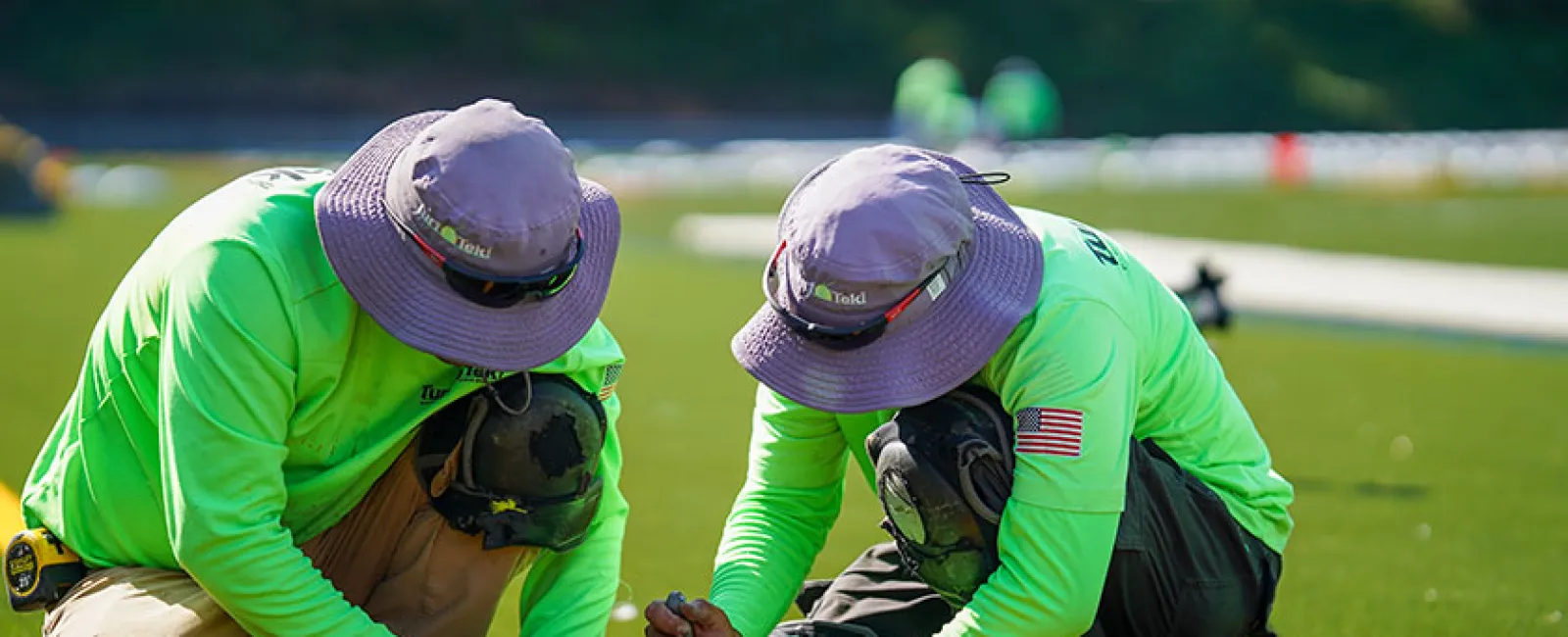
Setting up artificial grass needs special tools to make sure the process goes smoothly. Trying to set up turf without the correct tools can lead to bad results, such as incorrect cuts, uneven surfaces, or poorly fastened edges. Make sure you have tools such as a turf cutter, seam roller, and strong glue applicators. Using the right equipment not only helps create a cleaner setup but also speeds up the process and guarantees a professional result.
When you lack the right tools, achieving the desired outcome becomes harder. If the setup is done incorrectly, it can cause functioning problems and look bad. Professionals who have the necessary tools confirm that each part of the setup is handled correctly and quickly, resulting in a high-quality outcome.
Premium Artificial Turf Installation with Turf Tek
Need professional artificial turf installation contractors in the Northeast? At Turf Tek, we specialize in artificial lawn installations and achieve top-quality results for every project in Fairfield County, Connecticut, along with surrounding areas throughout New York, New Jersey, and beyond. If you're changing your yard, creating pet areas, or setting up turf for commercial properties, our team gives outstanding work and lasting durability. Our experienced crew works fast and efficiently, guaranteeing attractive turf that handles the weather. Don't settle for less; trust Turf Tek for all your artificial grass needs. Contact us today to get started and enjoy a low-maintenance, high-quality lawn!