Creating a safe backyard is a top priority for every parent and pet owner. If you are considering artificial turf, you are likely asking an important question: Is artificial turf safe for pets and kids? This guide offers clear, factual answers. We will examine the materials, address common worries, and highlight the features that make a lawn safe. You will learn what to look for and what to avoid.
At Turf Tek, we believe an informed choice is the safest choice. Our experience in the Northeast has shown us that proper materials and installation are the foundation of a worry-free family yard.
Part 1: Demystifying What's in Artificial Grass
Understanding what turf is made of is the first step to trusting it.
- The Core Materials: Modern turf is made from plastics like polyethylene or polypropylene. These are durable, non-toxic materials also used in food containers and children's toys. Reputable manufacturers rigorously test their products to make sure they are free from harmful levels of lead and other heavy metals.
- The Infill Factor: The material brushed between the grass blades is called infill. While old-style crumb rubber has caused concern, safer options are now standard. These include natural sands and specialty infills designed to stay cooler. These offer stability without health worries.
- The Chemical-Free Advantage: A major safety benefit is the elimination of lawn chemicals. Natural grass often needs fertilizers, weed killers, and pesticides. Artificial turf removes your family's and pets' exposure to these substances entirely. When exploring artificial grass products, always ask for documentation on material safety and lead-free compliance.
Part 2: Addressing Top Safety Concerns Head-On
Let us tackle the most common questions families have.
- Heat and Surface Temperature: Yes, turf can get warm in direct, intense sun; just like pavers, decking, or even natural grass in a drought. You can manage this effectively. A quick rinse with a hose cools it down immediately. Offering shade with umbrellas or pergolas also creates cool play zones.
- Lead and Toxin Worries: This is an issue from past decades. Today, high-quality turf produced for the residential market, especially in the USA, must meet strict consumer safety standards. Always insist on turf that is certified lead-free and ask your installer for proof. This is a non-negotiable point for family safety.
- Hygiene and Cleanliness: A well-installed turf system has excellent drainage, so liquids pass through quickly. For pet waste, solid matter is picked up, and the area is rinsed. This is simpler and often cleaner than dealing with muddy, soil-based lawns. For optimal hygiene, some turf products have built-in antimicrobial protection.
Part 3: Safety Features Designed for Kids
Artificial turf can be a superior play surface when chosen correctly.
- A More Even Surface: It eliminates hidden holes, tree roots, and uneven spots that are common tripping hazards in natural lawns. This creates a predictable surface for running and playing.
- Cushioning for Falls: Many installations use a shock-absorbing underpad. This layer offers important cushioning, helping to soften the impact of falls - a major concern for active children.
- Allergy and Pest Reduction: Synthetic grass does not produce pollen, offering relief for kids with grass allergies. It also does not offer a habitat for many insects like ticks and fleas, reducing bites and related risks.
Part 4: Safety Features Designed for Pets
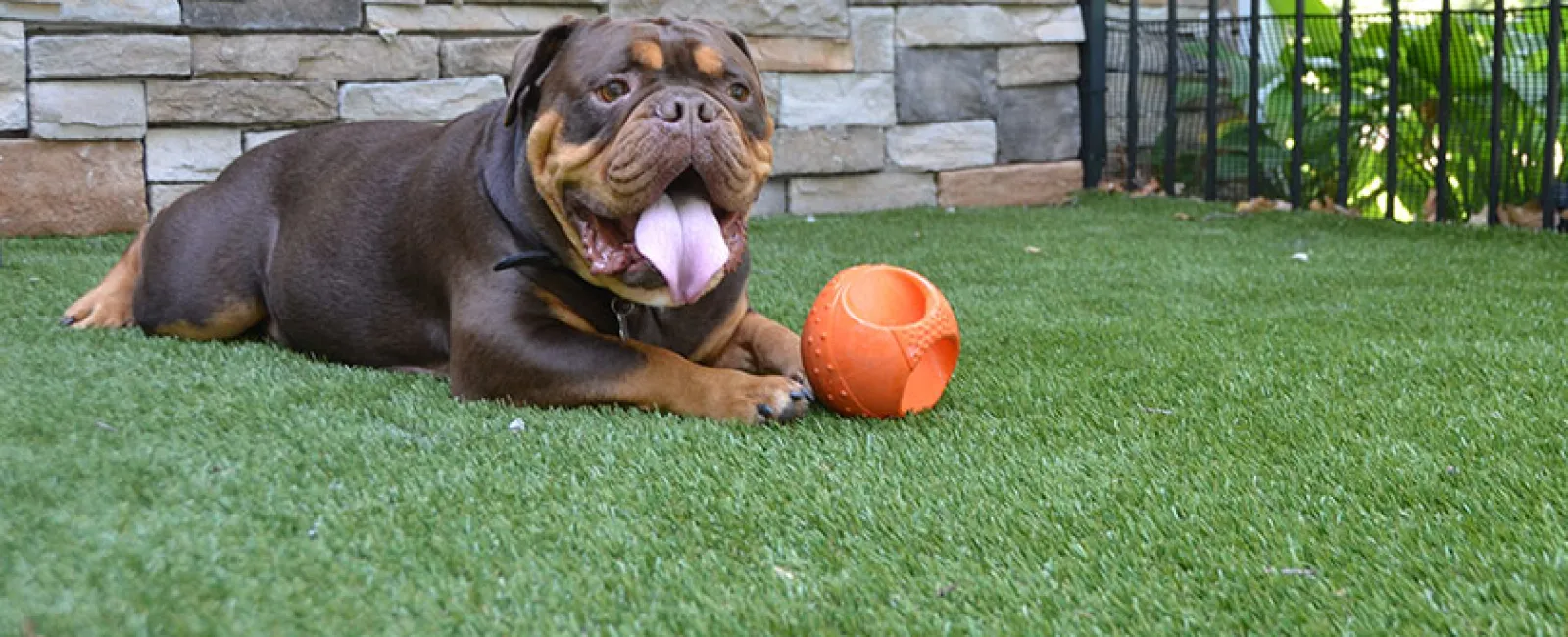
Pet owners specifically ask: Is artificial grass safe for dogs? The right turf offers distinct advantages.
- Paw-Friendly Durability: Quality turf resists digging and tearing from claws. It offers a stable surface that does not turn into a mud pit, keeping paws cleaner.
- Simple Sanitation: Efficient drainage is key. It allows you to rinse away urine quickly, controlling odors and maintaining a clean space. The non-porous surface also prevents bacteria from seeping into a soil base.
- No Toxic Chemicals: As with children, pets are kept safe from the fertilizers, herbicides, and pesticides often used on natural grass. This protects them from both direct contact and accidental ingestion.
Part 5: Your Guide to a Safe Installation
The safest product can fail if installed poorly. Here's what to look for.
- Professional Base Preparation: The ground must be expertly graded and compacted. This prevents uneven settling, which creates dangerous tripping hazards and puddles.
- Secure Seaming and Edging: All seams must be glued and secured perfectly, and edges must be fastened down tightly. This guarantees a completely flat surface with no loose sections to catch feet or paws.
- Choosing the Right Pro: This step is vital. A professional installer knows how to select the right materials and execute the plan correctly. For a guaranteed result, using expert residential artificial turf services is the best way to ensure your lawn's long-term safety and performance. They handle the technical details so you do not have to worry.
Making Your Confident Decision
Choosing artificial turf for your family involves careful consideration. By focusing on certified, non-toxic materials and a flawless professional installation, you can create a remarkably safe outdoor space.
This guide gives you the knowledge to ask the right questions. Look for products with safety documentation, and prioritize a skilled installer. The result is a clean, durable, and consistently safe lawn where your kids and pets can play freely. Your peace of mind is the goal, and with the right approach, it is completely achievable.