Quick Summary
Artificial turf quality depends on several construction and performance factors, including blade material, density, pile height, backing, drainage, and UV protection. A high-quality system handles foot traffic better, drains faster, maintains its shape longer, and creates a more natural appearance. Buyers should also evaluate installation methods, maintenance requirements, and usage patterns before comparing how much artificial turf costs or how much is artificial turf per sq ft. Understanding these details helps homeowners and commercial property owners make smarter long-term decisions.
A beautiful lawn starts long before installation day. The real difference between a surface that lasts for years and one that flattens quickly comes down to artificial turf quality. Homeowners and property managers often focus on color alone, but performance depends on far more than appearance. Fiber material, drainage, pile height, density, and backing all affect durability, comfort, and long-term value.
Residential landscape upgrades, athletic spaces, and rooftop installations all require careful attention to construction details that affect wear, drainage, maintenance, and overall lifespan.
Material Composition Shapes Durability
The type of material used in turf fibers directly affects performance. Polyethylene remains a popular option for residential landscape projects because it feels softer underfoot while still handling moderate traffic well. Nylon offers stronger heat resistance and durability, making it common in sports or high-traffic commercial settings. Polypropylene usually costs less but wears faster under pressure and heat.
A quality artificial turf system balances durability with comfort instead of focusing on price alone.
Face Weight Affects Thickness and Longevity
Face weight refers to the amount of yarn used per square yard. Turf with higher face weight typically looks fuller and holds its shape longer. Thin turf often flattens after repeated use, especially in active yards with children or pets.
Premium products usually fall within a higher face weight range because thicker fibers create better resilience under pressure.
Density Creates a Fuller Appearance
Density measures how closely turf fibers sit together. Dense turf creates a realistic lawn appearance and reduces visible backing. It also improves recovery after foot traffic.
Lower-density products may appear attractive at first, but gaps become more noticeable over time. Dense artificial turf performs better in pet areas, playgrounds, and busy outdoor environments.
Pile Height Influences Performance
Pile height refers to blade length. Taller blades create a lush appearance, but excessively tall turf can bend and flatten more easily. Shorter blades often perform better in sports applications because they create a firmer surface.
For residential landscape installations, moderate pile height usually creates the best balance between realism and durability.
Blade Shape Helps Turf Recover Faster
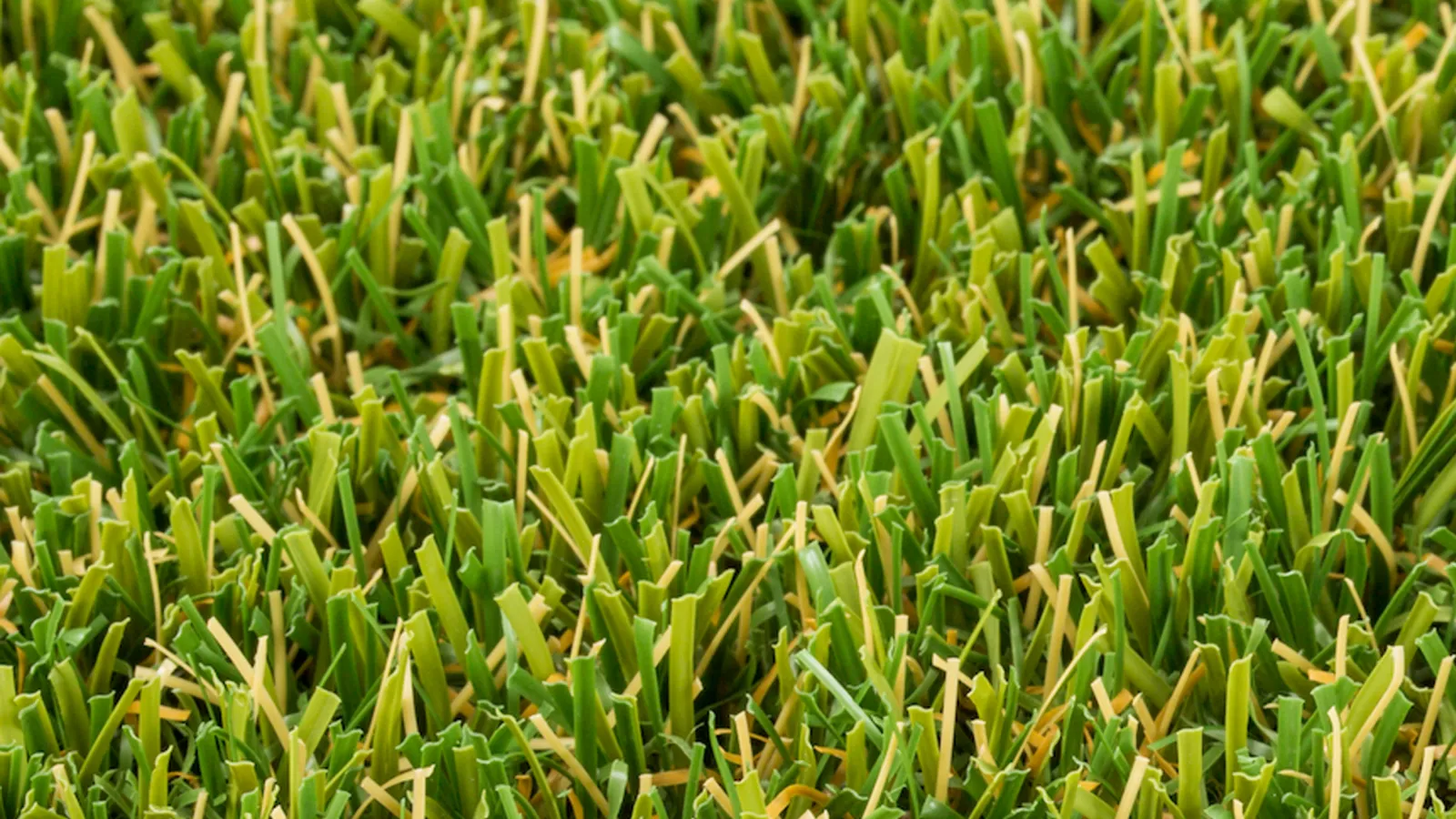
Modern turf products use engineered blade shapes to improve strength and reduce matting. C-shaped, W-shaped, and U-shaped fibers resist flattening more effectively than older flat-blade designs.
Blade shape also affects temperature control and drainage. Certain profiles reflect sunlight more efficiently and reduce surface heat during warmer months.
Drainage Systems Matter More Than Most Buyers Realize
Poor drainage shortens turf lifespan and creates odor problems in pet areas. A quality backing system includes evenly spaced drainage holes that move water away quickly.
Drainage becomes even more important in rooftop installations, commercial projects, and spaces exposed to heavy rainfall. Fast-draining turf also performs better for fake grass for dogs to pee on balcony applications because moisture does not sit beneath the surface.
Backing Strength Holds Everything Together
The backing anchors the turf fibers and affects long-term stability. Weak backing materials can separate, wrinkle, or lose fibers after repeated use.
High-quality artificial turf often uses polyurethane backing because it handles moisture and temperature shifts more effectively than lower-grade alternatives.
UV Protection Prevents Fading
Direct sunlight slowly damages low-quality turf products. Without UV stabilizers, fibers fade, dry out, and become brittle over time.
UV-resistant turf maintains color consistency longer and performs better in exposed outdoor spaces. This factor becomes especially important in open residential yards, rooftops, and athletic facilities.
Installation Quality Changes Turf Performance
Even premium turf can fail under poor installation practices. Base preparation, seam placement, grading, and edge securing all affect the final result.
Experienced installers understand drainage slopes, material expansion, and sub-base compaction. Proper installation also prevents ripples, shifting, and premature wear. An experienced artificial grass provider and installer can identify site-specific challenges before construction begins.
Maintenance Requirements Affect Long-Term Results
Artificial turf requires less upkeep than natural grass, but maintenance still matters. Debris removal, brushing, and occasional rinsing help turf maintain its appearance.
Pet areas benefit from odor-control cleaning routines, while sports and commercial spaces may require periodic grooming to keep fibers upright. Neglecting maintenance allows dirt buildup and fiber compression over time.
Usage Patterns Should Guide Product Selection
Not every turf product suits every application. A decorative front lawn has different performance needs than a dog run, school courtyard, or rooftop recreation area.
Families with pets may prioritize drainage and durability. Athletic households may prefer shorter, denser turf for activity zones. Commercial properties often require stronger backing and higher traffic resistance. Usage patterns should always guide product selection instead of appearance alone.
How Much Artificial Turf Costs Depends on Construction Quality
Many homeowners researching how much artificial turf costs focus only on upfront pricing. However, lower-cost products often wear faster and require replacement sooner.
When comparing how much is artificial turf per sq ft, buyers should evaluate material composition, drainage capability, density, and installation quality together. A well-built system usually delivers better long-term value because it maintains appearance and performance for years.
Ready to Invest in Artificial Turf that Performs for Years?
At Turf Tek USA, we build artificial turf systems designed for long-term performance, not short-term appearance. Our team installs premium USA-made turf for residential landscape projects, rooftops, athletic spaces, and commercial properties across the Northeast. With years of field experience, and construction-focused knowledge, we create surfaces that handle daily use while maintaining a clean, natural finish for years ahead.
Ready to upgrade your property with artificial turf built for long-term performance? Contact Turf Tek USA today to discuss your residential landscape, rooftop, athletic, or commercial project.