Quick Summary
Choosing the right artificial turf comes down to matching three core specs, pile height, face weight, and fiber material, to how the space will actually be used. This guide breaks down what each spec means in practical terms, compares the main turf types side by side, and walks through specific recommendations for the most common use cases: pet areas, sports and athletic surfaces, playgrounds, and general landscaping. By the end, you'll know exactly what to ask for when comparing quotes.
How to choose artificial turf is a question with a different right answer depending entirely on what the space is for. A putting green installation and a dog run need almost nothing in common structurally, even though both are technically "artificial grass." This guide skips the generic advice and goes straight to the specs that actually determine performance: pile height, face weight, fiber type, and how those translate into real-world results for the specific way you plan to use the space.
The Three Specs That Actually Matter
Before comparing products, it helps to understand the three measurements that determine how turf looks, feels, and performs. These are the specs worth asking about directly when comparing options, and they matter far more to the actual outcome than brand names or marketing language used by any individual manufacturer.
Pile Height
Pile height is the length of the grass blades, typically measured in inches. It directly affects appearance and feel underfoot.
- Short pile (under 1 inch): Used for putting surfaces and applications requiring a fast, consistent ball roll or low-profile sports performance
- Mid pile (1 to 1.75 inches): The standard range for most residential lawns, balancing a natural look with manageable maintenance
- Long pile (1.75 inches and above): Common in decorative landscape applications where a lush, plush appearance is the priority over performance
Taller pile height generally looks more lush and natural but can mat down faster under heavy, repeated foot traffic if not paired with adequate density. A useful way to think about it: pile height drives visual impression first, with performance becoming a bigger factor as the pile gets shorter and the application gets more demanding.
Face Weight
Face weight measures the amount of fiber material per square yard, usually in ounces. This is one of the most reliable indicators of durability, though it's also one of the least understood specs by homeowners shopping for turf.
- Lighter face weights (50-60 oz/sq yd): Suitable for low-traffic decorative areas where cost efficiency matters more than heavy-use durability
- Mid-range face weights (60-80 oz/sq yd): A strong fit for most residential lawns with moderate daily use
- Heavier face weights (80+ oz/sq yd): Built for high-traffic applications like pet areas, playgrounds, and sports surfaces where fiber density needs to hold up under constant, concentrated stress
A simple rule of thumb: higher face weight generally means a more durable, resilient product, though it also typically comes with a higher price point. When comparing two products that look similar in photos or even side by side in a showroom, face weight is often the spec that explains why one costs noticeably more than the other and why one holds up significantly longer under real use.
Fiber Material and Construction
Turf fiber breaks down into two structural categories that affect feel and performance.
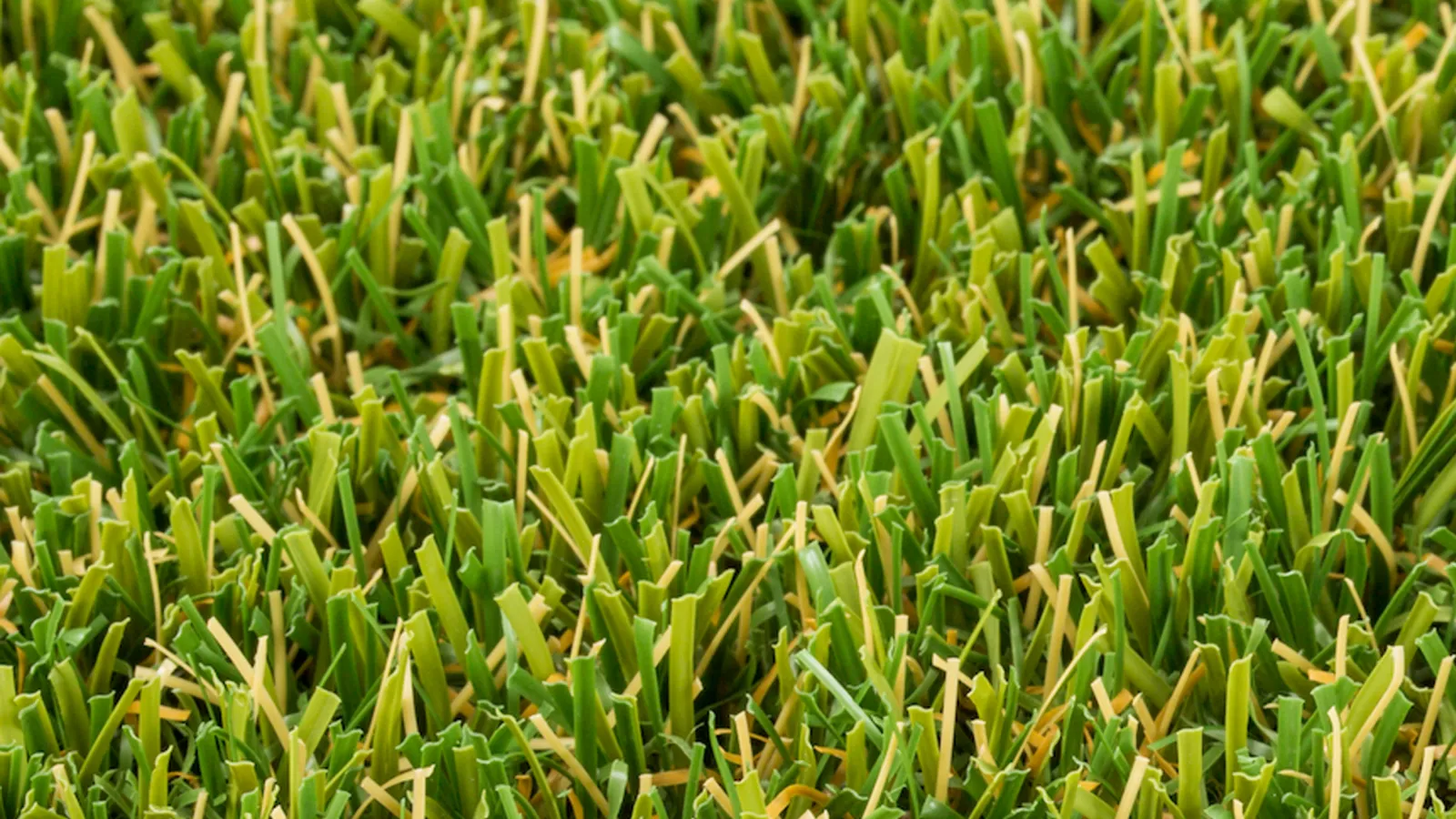
- Monofilament: Single-strand fibers that produce a softer, more natural look and feel. This is the standard choice for residential lawns and decorative applications where appearance and barefoot comfort matter most.
- Fibrillated: Fibers that are split into a mesh-like, multi-strand structure, creating a denser, more rigid surface that resists matting under heavy foot traffic. This construction is common in sports fields, playgrounds, and high-traffic commercial applications.
Material type (polyethylene, nylon, or polypropylene) also factors in here. Polyethylene is the most common choice for residential turf due to its soft feel and strong UV resistance. Nylon offers superior resilience for high-performance applications like putting greens. Polypropylene is typically used in backing material or lower-cost products.
Turf Comparison by Specification
Spec |
Landscape/Decorative |
Residential Lawn |
Pet Areas |
Sports/Athletic |
Putting Greens |
Pile Height |
1.75"+ |
1.25"-1.75" |
1"-1.5" |
0.75"-1.25" |
0.375"-0.625" |
Face Weight |
50-65 oz |
60-80 oz |
80-100 oz |
80-100+ oz |
40-60 oz |
Fiber Type |
Monofilament |
Monofilament |
Monofilament/blend |
Fibrillated/blend |
Monofilament (nylon) |
Infill |
Standard sand |
Standard sand |
Antimicrobial sand |
Sand or specialty |
Fine silica sand |
Drainage Priority |
Moderate |
Moderate |
High |
High |
High |
This table is a general guide rather than a fixed rule. Specific products vary, and your installer should be able to walk through exact specs for whatever turf they're recommending for your project. If a quote doesn't include these specifics, that's worth asking about directly before moving forward, since it's one of the clearest ways to evaluate whether a recommendation is actually tailored to your project or simply whatever happens to be in stock.
Choosing Turf by Use Case
Pet Areas
Dogs are tough on turf, and urine, digging, and constant traffic in the same spots create demands that decorative turf simply isn't built for. Look for a higher face weight (80+ oz/sq yd) paired with reinforced backing that resists tearing from digging and scratching.
Drainage matters more here than almost anywhere else. A pet-friendly turf system needs drainage rates well above standard residential turf, often 400+ inches per hour, to prevent urine pooling and odor buildup. Antimicrobial-treated infill is also worth prioritizing, since it actively resists the bacterial growth that causes lingering odor in heavily used pet areas.
Sports and Athletic Surfaces
Athletic applications split into very different specs depending on the sport. A putting green needs short pile height and a fast, consistent ball roll, while a multi-use sports field or training surface needs higher face weight and fibrillated construction to withstand repeated, concentrated impact from cleats and athletic movement.
For building a dedicated practice green, pile height in the 3/8 to 5/8 inch range with fine sand infill produces the most realistic ball roll. For general sports turf, prioritize face weight and fiber density over pile height, since durability under repeated impact matters more than visual realism in these applications.
Playgrounds
Playground turf has a unique requirement beyond durability and appearance: safety certification. Certified playground turf, safety padding and infill should carry IPEMA certification confirming compliance with safety standards for play environments. Beyond certification, prioritize a denser, higher face weight product that resists matting under constant child traffic, paired with adequate infill depth for fall-zone safety requirements where applicable.
General Landscaping
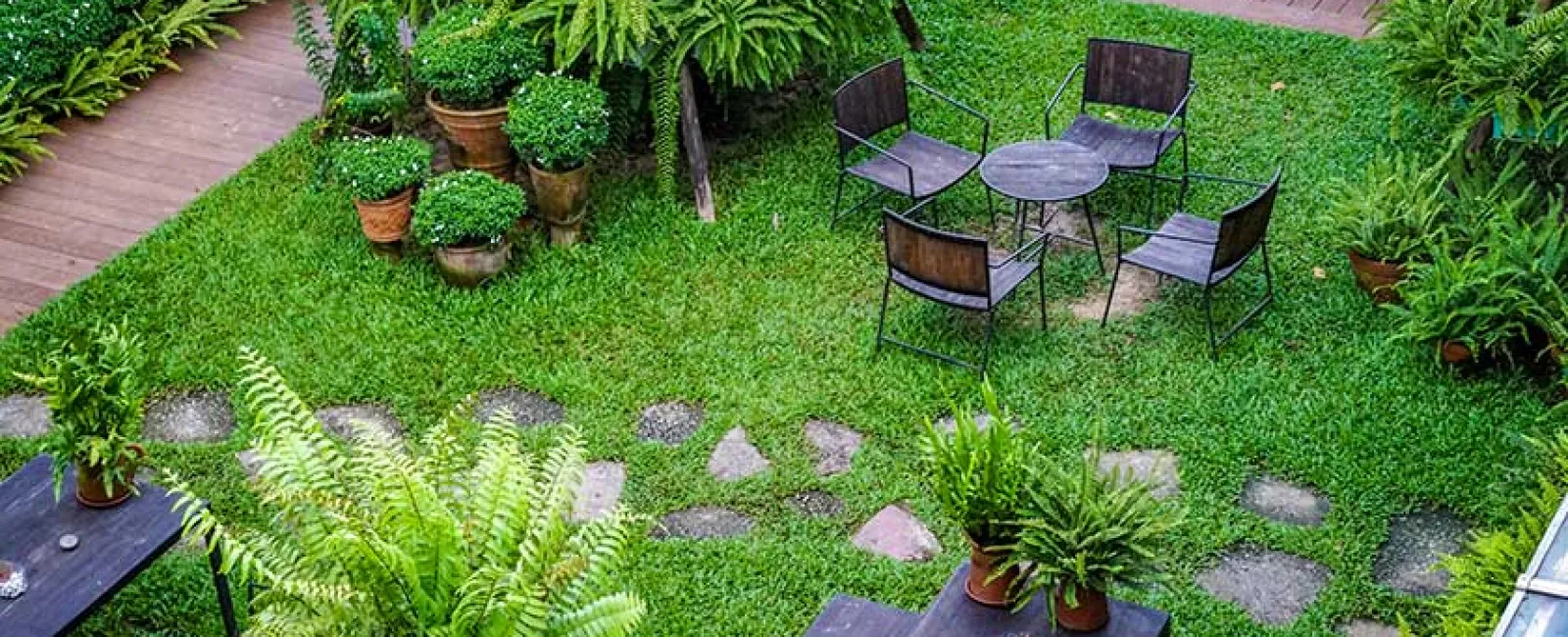
For purely decorative or general-use residential landscaping, aesthetics can take a slightly higher priority relative to extreme durability specs, though moderate face weight (60-80 oz) is still worth prioritizing for any area that will see regular foot traffic rather than purely ornamental viewing. Landscape-focused turf products often emphasize multi-tone blade coloring and realistic thatch layers, which matter more here than in performance-driven applications, since visual realism is the primary goal.
Other Factors Worth Considering
Beyond the core specs and use case breakdown above, a few additional factors are worth weighing before finalizing a decision, particularly if you're comparing multiple quotes or products that look similar on paper.
- Sunlight exposure: Areas with intense, consistent direct sun benefit from turf with strong UV stabilization to resist fading and fiber breakdown over time. This matters less in shaded or partially shaded areas.
- Drainage and base conditions: Regardless of which turf product you choose, performance ultimately depends on a properly built base beneath it. Standing water or poor compaction will undermine even the best turf product, so evaluate your installer's base preparation process as carefully as the turf itself.
- Warranty length: A manufacturer's warranty is a practical indicator of expected product longevity. Premium products typically carry longer warranties, reflecting greater confidence in long-term performance.
- Budget versus long-term cost: Lower-priced turf can be tempting upfront but often results in premature wear, matting, or fading that leads to earlier replacement. Evaluating cost per year of expected lifespan, rather than just the upfront price tag, gives a more accurate picture of value.
Ready to Choose the Right Turf for Your Space?
Turf Tek USA carries exclusive, U.S.-made turf products engineered for specific applications, from heavy-traffic pet areas to realistic landscape turf to performance putting green surfaces. Every recommendation our team makes is based on your actual use case, traffic levels, and site conditions, not just whichever product is easiest to sell.
We back every installation with a 10-year product warranty and 2-year installation warranty, with every estimator and installer a direct employee trained on our proprietary system. Call (631) 651-5777 or contact us for a free site visit and a turf recommendation built around how you'll actually use the space.