Quick Summary
Artificial turf works well in basement spaces when installers address moisture, padding, and concrete preparation correctly. A vapor barrier helps reduce mold concerns, while foam or rubber underlayment creates better comfort for recreation and exercise. Indoor turf systems usually do not require sand infill, which keeps the area cleaner and easier to maintain. Turf selection should match the intended use of the basement, especially for gyms, pet areas, or children's spaces.
Indoor recreation spaces have changed dramatically in recent years, especially as homeowners search for low-maintenance flooring that handles daily activity without constant upkeep. Artificial turf in basement areas has become a practical option for home gyms, putting greens, playrooms, pet zones, and sports training spaces.
Unlike hard concrete flooring, turf creates a softer surface while adding texture and visual warmth to an otherwise unused area. Still, basement installations require more than rolling out synthetic grass over concrete. Moisture control, underlayment selection, drainage planning, and turf type all influence long-term performance and indoor comfort.
Why Homeowners Install Artificial Turf in Basements
Basements often become storage areas because concrete floors feel cold, hard, and uninviting. Artificial turf changes that atmosphere quickly. Homeowners now convert basements into golf practice areas, fitness rooms, indoor pet areas, gaming lounges, and multi-use recreation spaces.
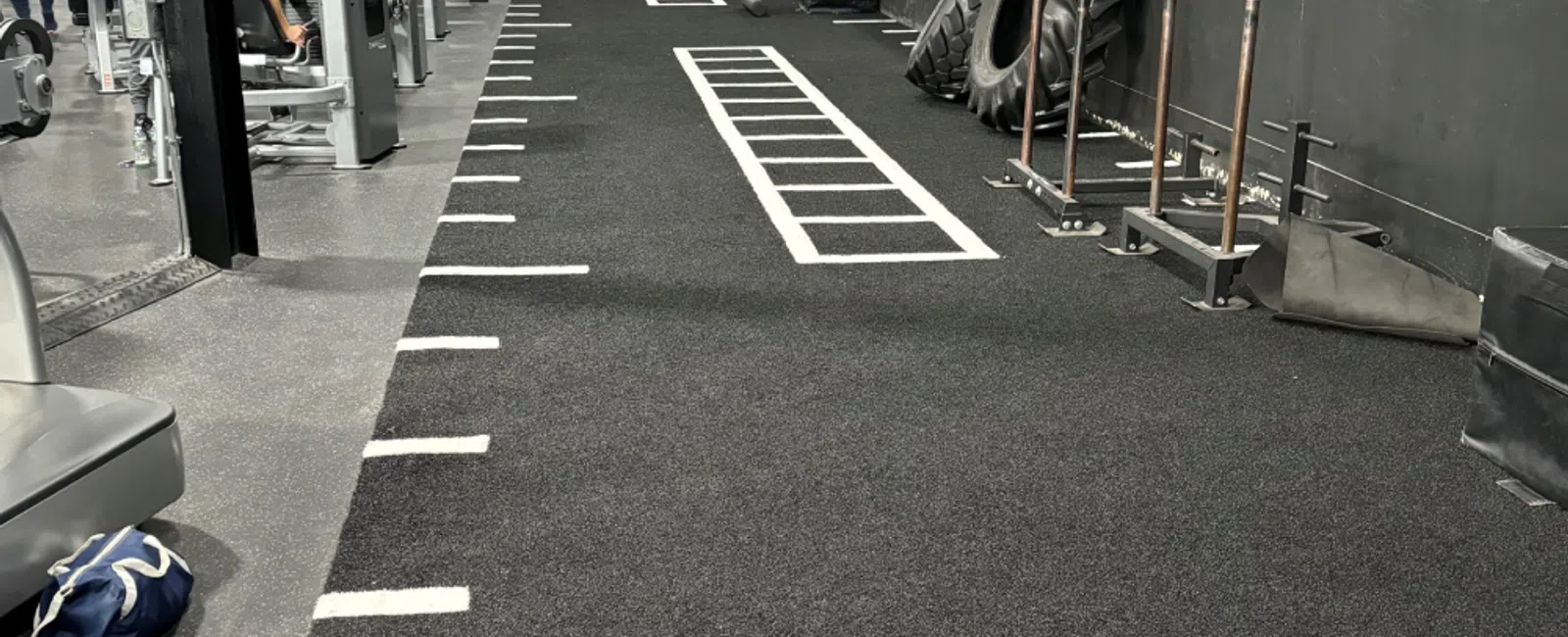
Artificial turf also works well for active households. Families with children appreciate the softer surface for indoor play, while athletes enjoy better traction during workouts. Homeowners who enjoy golf often install putting greens or training strips in lower-level rooms where weather never interrupts practice.
Compared to carpet, synthetic turf resists stains more effectively and handles foot traffic without flattening permanently. Unlike tile or hardwood, turf adds texture and cushioning that feels more comfortable during exercise or long periods of standing.
Moisture Testing Comes First
Before installing synthetic turf, homeowners should inspect the concrete slab carefully. Basements naturally retain moisture because they sit below ground level. If moisture passes through the slab, mold and mildew can develop beneath the turf backing over time.
A moisture test identifies existing problems before installation begins. Installers typically use calcium chloride tests or concrete moisture meters to evaluate vapor transmission levels. If the slab shows elevated moisture, additional waterproofing measures may become necessary before turf installation proceeds.
A vapor barrier between the concrete and turf system helps reduce moisture exposure. Many installers combine this layer with a foam or rubber underlayment to create both protection and comfort.
What Is Under Artificial Turf in a Basement?
Many homeowners ask, "What is under artificial turf?" The answer depends on the room's purpose and the condition of the concrete slab.
Most basement turf systems include:
- Concrete subfloor
- Moisture barrier
- Padding
- Artificial turf surface
Unlike outdoor systems, basement turf installations usually avoid crushed stone bases or drainage layers. Indoor applications rely more heavily on moisture control and cushioning than water runoff.
Padding thickness also changes depending on usage. A golf putting green may use thinner padding for ball response, while home gyms and children's areas benefit from thicker underlayment that absorbs impact more effectively.
Rubber underlayment performs especially well in fitness rooms because it reduces stress on joints during workouts.
The Best Turf Types for Basement Installations
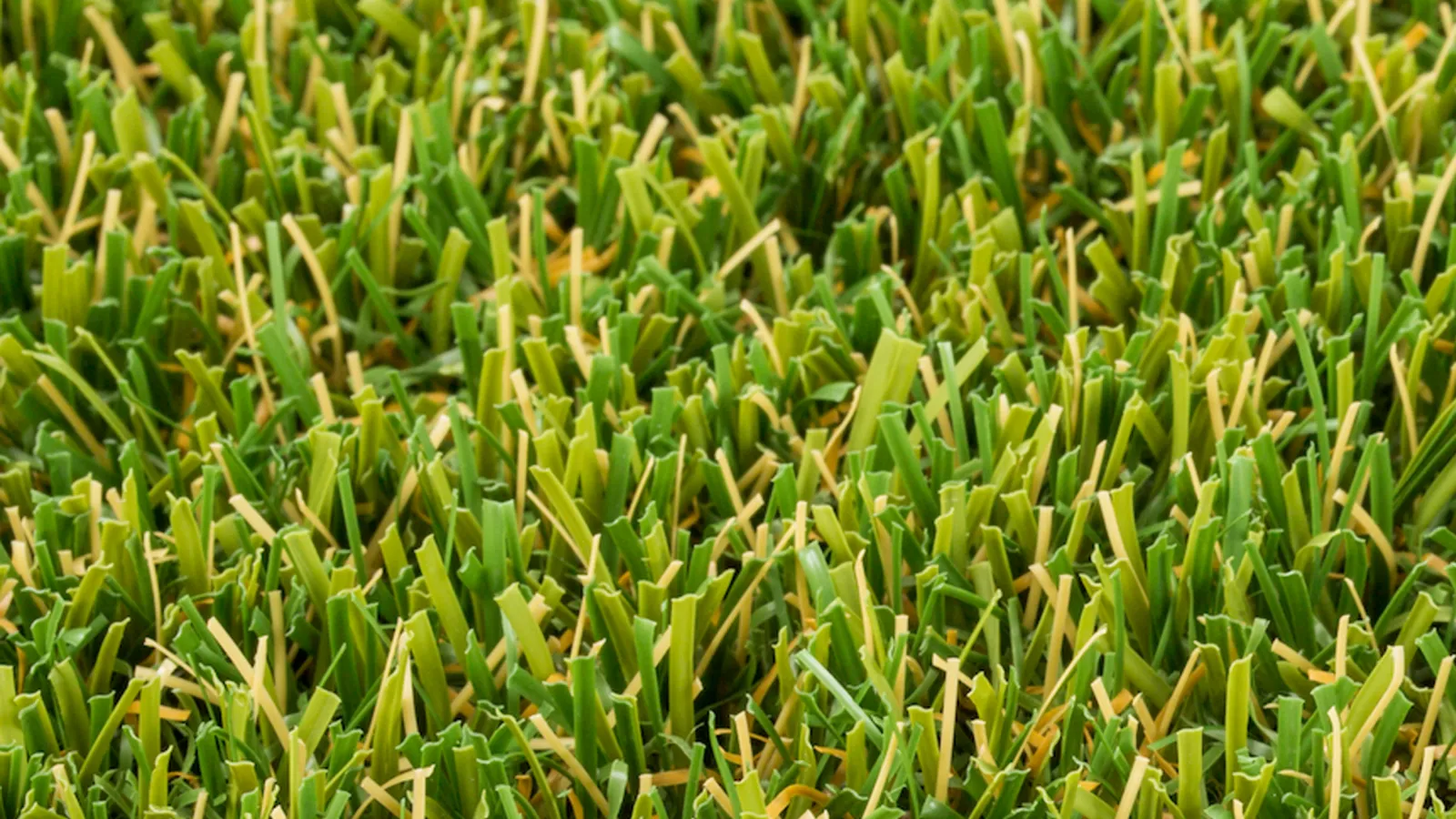
Not every turf product fits indoor applications. Some outdoor turf systems contain rougher fibers or infill materials that feel uncomfortable indoors.
Shorter turf blades usually work better in basement spaces because they clean more easily and create a smoother walking surface. Indoor sports turf also works well for training areas because it maintains traction during movement drills.
For family recreation spaces, softer turf fibers create a more comfortable feel under bare feet. Pet-friendly turf options can also perform well in indoor pet areas because they resist odors and clean more efficiently.
Homeowners should avoid low-grade products with weak backing systems. Basement spaces experience constant indoor exposure, so quality turf maintains its appearance longer without fiber breakdown.
Why Indoor Turf Usually Does Not Need Infill
Outdoor artificial turf often relies on infill to stabilize the blades and weigh down the system. Basement turf installations rarely require this step.
Wall-to-wall basement applications stay secure with adhesive or double-sided turf tape. Removing infill from the design reduces dust buildup and creates a cleaner indoor environment.
This approach also simplifies maintenance. Homeowners can vacuum or brush the surface without dealing with loose infill particles throughout the basement.
For indoor putting greens or sports lanes, installers may still use specialty infill products selectively to influence ball roll or athletic performance.
Comfort Matters in Basement Recreation Spaces
Concrete feels unforgiving during workouts or children's activities. Turf alone does not solve that problem completely. Proper underlayment creates the comfort homeowners expect from a finished basement space.
Foam padding works well in playrooms and recreational areas because it softens impact during falls or floor exercises. Rubber underlayment performs better for heavier gym equipment because it handles weight and movement without compressing excessively.
Homeowners planning wrestling, tumbling, or agility training should select turf specifically designed for athletic use. Some turf fibers feel abrasive during direct skin contact and may create friction burns during high-contact activities.
Maintenance Stays Simple Indoors
Artificial turf in basement environments requires far less maintenance than carpet or unfinished concrete flooring.
Regular vacuuming removes dust, debris, and pet hair. A synthetic turf rake or soft brush lifts flattened fibers in high-traffic areas. Spot cleaning with mild soap and water handles spills effectively.
Basement turf also avoids many common flooring frustrations. Homeowners do not need to polish, refinish, or deep-clean the surface constantly.
Good airflow still matters, though. Basements benefit from dehumidifiers or ventilation systems that help control moisture throughout the year.
Professional Installation Makes a Difference
Installing artificial turf in basement spaces involves more technical preparation than many homeowners expect. Uneven concrete, moisture intrusion, poor seam alignment, or incorrect adhesives can reduce the life of the turf significantly.
Professional artificial grass providers and installers understand how different underlayments, adhesives, and turf products interact in indoor environments. They also know how to create clean seams and smooth transitions around walls, gym equipment, and built-in features.
At Turf Tek USA, we transform unfinished basements into functional, high-performance spaces built for everyday use. Our team installs premium USA-made artificial turf with careful attention to moisture control, comfort, durability, and clean finishing details.
Contact Turf Tek USA today to schedule your consultation and bring new life to your basement space.