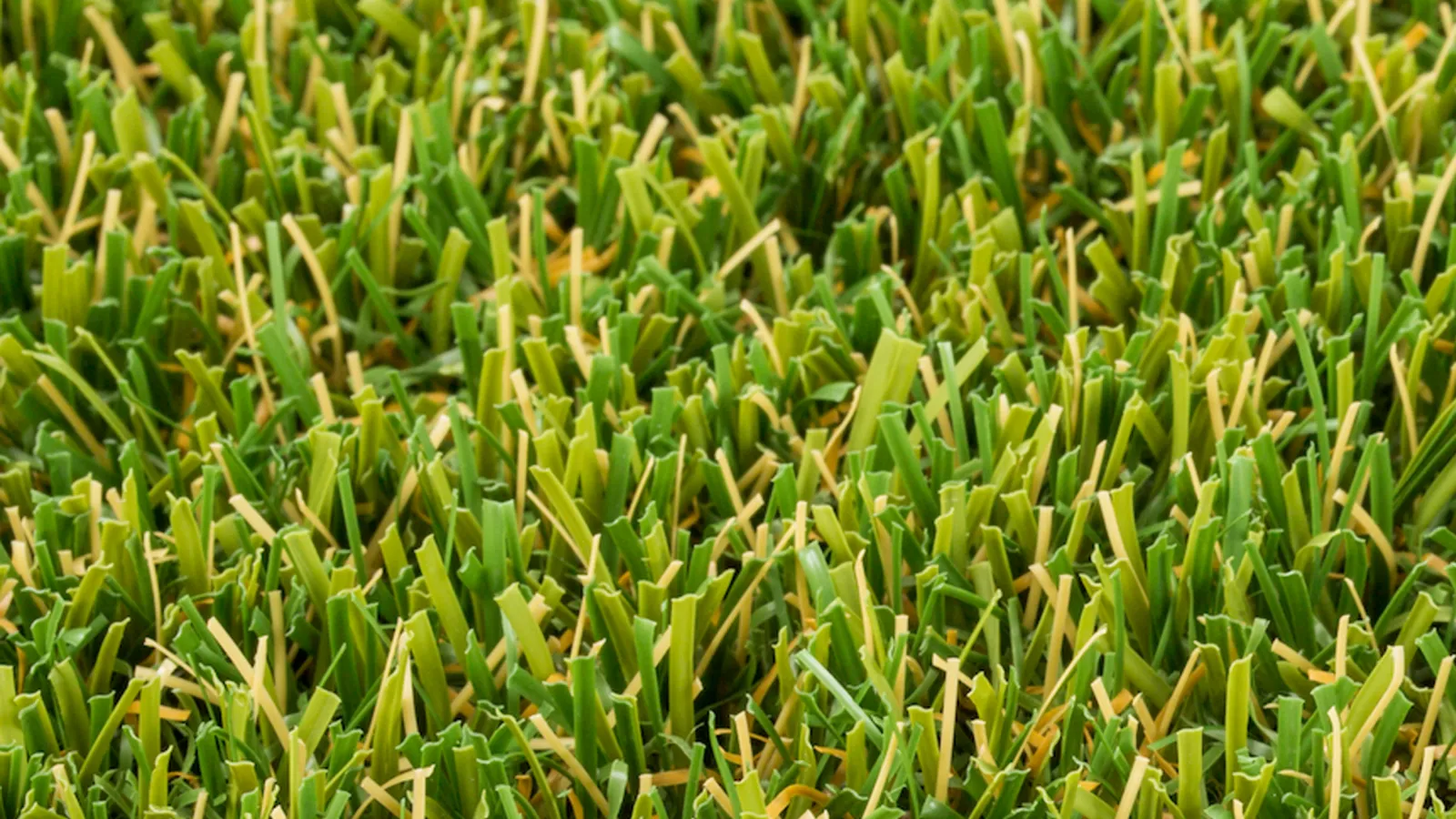
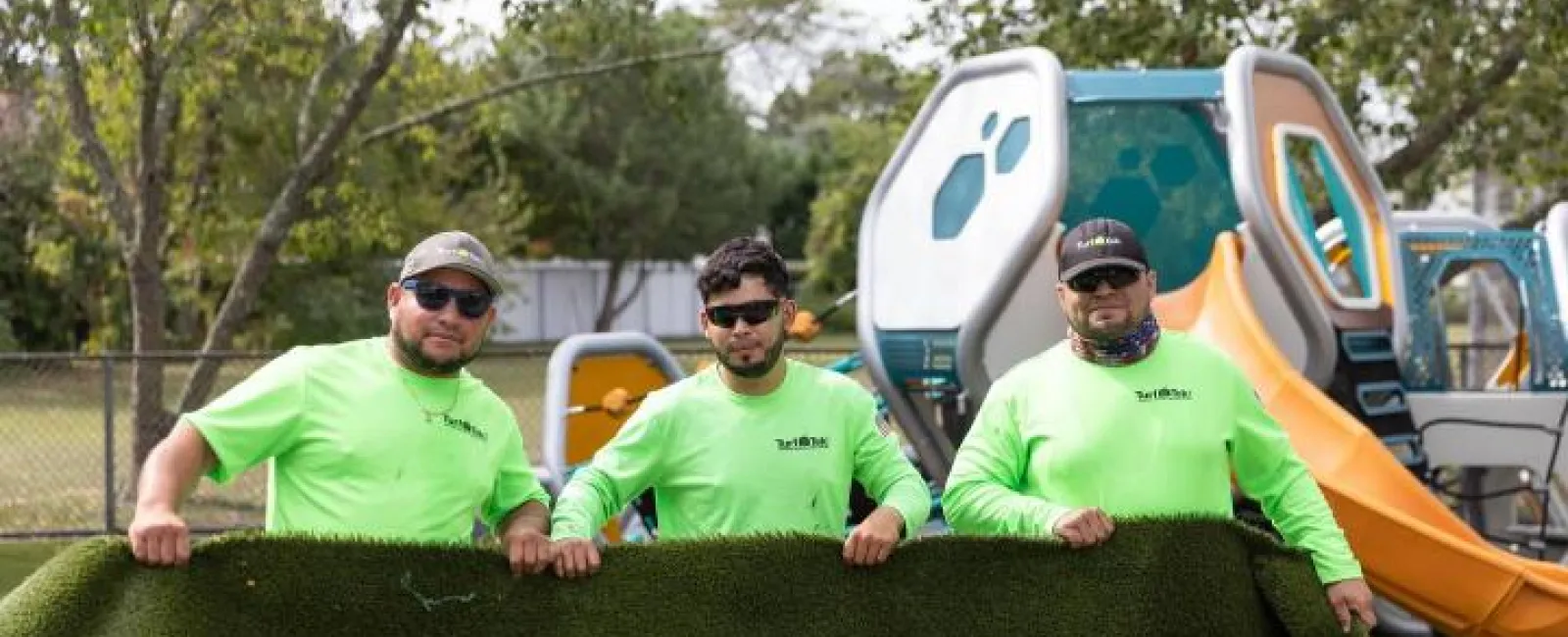
A beautiful artificial lawn should stay beautiful for a long time. The secret to its longevity is not just what you see on top. The most important part is actually hidden underneath the surface. Knowing how to install drainage for artificial grass is the key. A properly built base manages water runoff and protects your investment. Without it, you risk puddles, mildew, and a soggy, unstable yard.
At Turf Tek, we have engineered our installations for the Northeast's specific weather. Our experience shows that premium artificial grass products need this strong start to truly shine.
Why Drainage is the Most Important Step
People often focus on the look and feel of the turf blade itself. While that is important, the foundation handles all the practical work. Think of drainage as the unsung hero of your artificial lawn. Its job is to move rainwater away from the surface quickly. Good drainage stops water from pooling on top of your grass after a storm. It also prevents water from getting trapped underneath the backing material.
This protects the turf from damage and keeps the area usable faster. A yard with poor drainage can become a muddy mess underneath. This can lead to odors, sinking spots, and even damage to the materials. Putting extra care into this step makes sure your lawn stays perfect.
What You Will Need for the Project
Gathering the right materials before you start will make the job smoother. You do not need complex tools, but having the correct supplies is key. You will need a shovel, a rake, and a plate compactor. The plate compactor is very important for creating a firm, stable base. You can rent one from a local hardware store for the day.
You will also need 3/8ths angular bluestone, often called aggregate base. Do not use large, round stones as they do not lock together well.
Step One: Excavate the Area
The first physical step is to remove the existing grass and soil. You need to dig down to create space for your new base layers. The total depth you excavate will depend on your final design. A common recommendation is to dig down about six to six and a half inches. This space will hold your leveling layers. Make sure the ground slopes away from your house or building.
If soil doesn't allow for drainage, a gentle slope of about one to two percent is a good target. This means the ground should drop one to two inches for every eight feet. Use a level and string line to check your slope as you dig. Remove all roots, rocks, and old debris from the excavated area. Be sure to compact the dirt as well.
Step Two: Install and Compact the Base Rock
Once the area is dug out, you can add your first layer of stone. Fill the hole with your 3/8ths angular bluestone aggregate. Spread it evenly across the entire area with a rake. You should aim for a base layer that is about three to four inches thick after compaction. This is where the plate compactor becomes your best friend. Go over the entire stone layer multiple times with the compactor.
This process presses the stone together into a solid, almost concrete-like slab. A well compacted base will not shift or sink over time. It also creates millions of tiny channels for water to flow through. Test the compaction by walking on it; your feet should not sink in at all.
Step Four: Integrate Your Drainage Plan
Most modern artificial grass has holes punched in the backing for drainage. This is called perforated backing. The water goes through the turf and into your base. For most yards, the compacted stone base itself offers excellent drainage. In some cases, you might need a more direct system. If you have very heavy clay soil or a low lying area, consider adding a channel drain.
A channel drain is a long trench with a grate that collects surface water. You would install this along the edge of the problem area before laying the base rock. The drain pipe connects and carries water away to a storm drain or safe zone. This step is key for artificial turf drainage in spots that always get wet.
Step Five: Lay and Secure the Artificial Grass
Now you can roll out your beautiful new artificial lawn. Let the turf sit in the sun for an hour to relax any folds from shipping. Position it carefully over your smooth, prepared base. Use a utility knife to trim the edges for a perfect fit. Once it is positioned, you will need to secure it. Most installers use long, galvanized nails called turf spikes. You can also use landscape staples.
Place these fasteners every few inches along the seams and around the perimeter. Space them about six to twelve inches apart in the middle of the lawn. Be careful not to place them too close to a seam where they might be visible. The turf should feel taut and flat against the base without any wrinkles.
Final Steps: Infill and Brushing
The installation is almost complete. The last step is to add the infill material to the turf. Infill is usually sand. It gets brushed down between the grass blades with a stiff broom or a power brush. This material weighs the turf down and helps the blades stand up straight. It also protects the turf backing from the sun's harsh UV rays.
Most importantly, the right infill adds to your artificial grass with drainage performance. It keeps the turf surface stable and helps water flow through to the base. Apply the infill evenly across the entire area in small sections. Then brush it in thoroughly until you can no longer see it on the surface.
Enjoying Your Long Lasting Lawn
After all this work, you can finally enjoy your new space. A properly installed lawn with good drainage will dry quickly after rain. It will feel solid underfoot and stay beautifully green year after year. You will not have to worry about mud, puddles, or sinking areas. The initial effort you put into the base pays off every single day. It gives you a clean, usable yard without the constant upkeep of natural grass.
For homeowners, this peace of mind is invaluable. Our team at Turf Tek specializes in these detailed, high standard installations. We know that perfect residential artificial turf services are built from the ground up, starting with a foundation that lasts.
Maintaining Your Drainage System
The great news is that a good drainage system needs very little care. Your main job is to keep the surface of your turf free of debris. Regularly clear away leaves, twigs, and dirt with a leaf blower or plastic rake. This stops organic matter from building up and blocking the drainage holes. If you notice a slow draining spot, check that area first for packed debris.
You can also gently rinse your turf with a hose occasionally. This helps clear any dust from the infill that might slow water passage. Avoid using heavy equipment or sharp objects on the lawn. With this simple care, your drainage will continue to work perfectly for its entire lifespan.