May 31, 2026
Quick Summary
Small spaces present unique challenges for artificial turf installation, but they also offer some of the most dramatic before-and-after transformations. Getting the result right means understanding how to handle tight edges, manage drainage on a small footprint, select the right product pile height, and plan seams carefully. This guide walks through the process so your compact space ends up looking intentional and polished rather than like an afterthought.
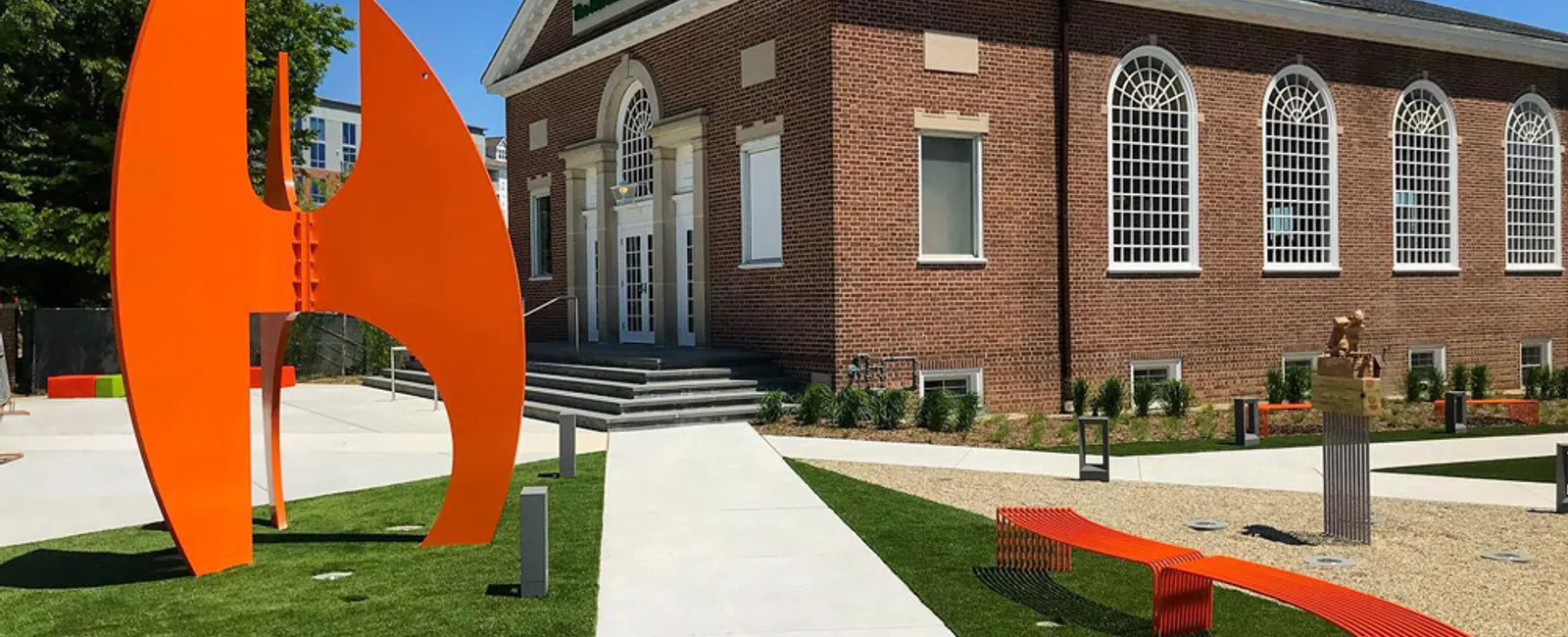
A small yard, narrow side passage, compact courtyard, or townhome patio can benefit from artificial turf just as much as a sprawling suburban lawn. In many cases, smaller spaces benefit even more because every square foot is visible and actively used.
Those same qualities that make compact areas appealing also make them more demanding. Tight angles, irregular layouts, nearby hardscape, and very little room for error mean you need to lay artificial turf with greater precision.
Here is what the process looks like when it is done correctly.
Planning The Layout Before Anything Is Cut
One of the most important steps in a small-space installation is planning turf orientation and seam placement before making a single cut. Turf has a grain direction, and inconsistent orientation or improper alignment with the primary viewing angle can make the finished surface look unnatural. Minor grain variations are harder to notice in large spaces, but they become much more obvious in smaller areas.
Seams should be located in low-traffic sections and kept away from the primary line of sight. Finding the ideal seam location in a compact area requires careful planning and, in some cases, creative layout techniques. Experienced installers determine this before any material is unrolled.
Taking time to lay artificial turf correctly from the beginning helps create a cleaner and more seamless appearance.
Base Preparation In Compact Areas
Access to machinery is often limited in smaller spaces. A large yard may be excavated using equipment, while a narrow side yard or courtyard may require much of the preparation work to be completed by hand.
That does not change the process. The area still needs to be excavated to the proper depth, filled with the correct aggregate base material, compacted in layers, and finished with a smooth and level surface before the turf is installed.
Skipping steps simply because the area is small is one of the most common mistakes in compact installations. The surface may appear fine at first, but soft spots, drainage problems, and uneven sections often develop within a year or two.
Edging and Borders In Tight Spaces
Edge details have a significant effect on the appearance of a small area. In a large lawn, attention naturally shifts across the landscape, making borders less noticeable. In a compact patio or courtyard, the transition between the turf and surrounding hardscape or planting beds becomes a major visual feature.
Properly installed nailer board or edging creates a crisp and defined border that gives the installation a refined appearance.
Turf edges that are folded underneath or left unsecured look unfinished and often begin to lift over time, especially in regions like the Northeast where temperature fluctuations are common.
Choosing The Right Pile Height
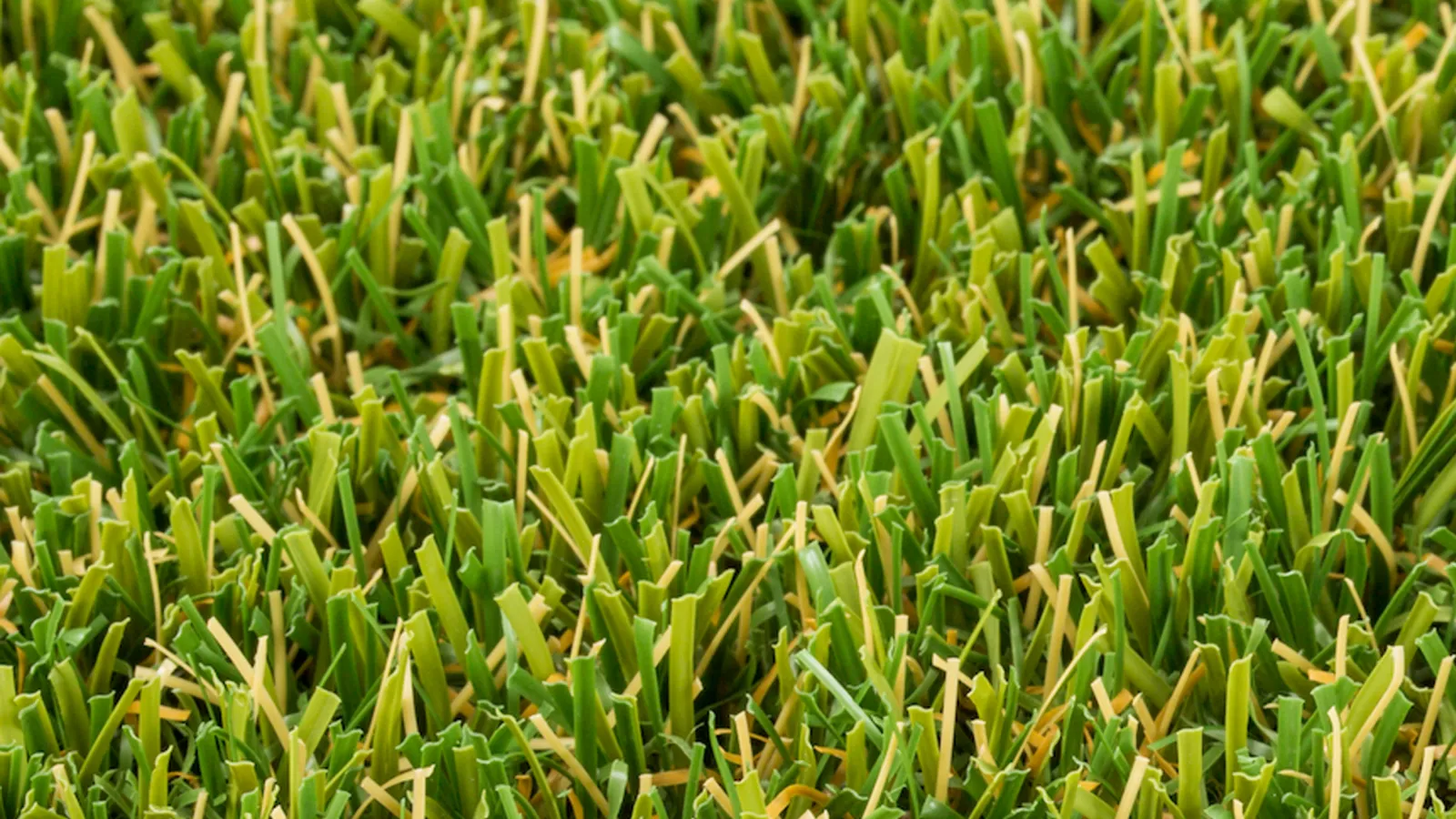
In a small space, a very tall pile height can look heavy and overgrown rather than lush and natural. Generally, a medium pile height in the 1.5 to 1.75 inch range tends to work well in compact residential applications. It reads as natural and well-maintained without looking like it belongs on a sports field.
The right artificial turf for your specific application depends on how the space is used, how much sun it receives, and what aesthetic you are going for. A product designed for landscape use in the Northeast, like our Hampton or Allure styles, is specifically engineered to look natural in this region's light and climate conditions.
Working With Irregular Shapes
Small spaces are rarely perfect rectangles. L-shaped side yards, circular patio cutouts, and areas with trees, drains, or posts running through the center all require accurate cutting and fitting. This is where professional craftsmanship becomes especially noticeable.
Smooth cuts around curves, tight corner fits, and carefully executed relief cuts around obstacles take experience to master. Someone tackling their first installation is likely to end up with gaps, overlaps, or sections that do not sit flat. Expensive turf material and confined working areas leave little room for mistakes, making these projects difficult places to learn through trial and error.
Anyone planning to lay artificial turf in a compact outdoor area should understand that precise cutting and fitting are critical to achieving a professional finish.
When you are ready to transform a compact outdoor space into something that looks and feels great year-round, reach out to our team at Turf Tek for a free estimate. Small projects get just as much attention as large ones, and the results speak for themselves.