June 12, 2026
Quick Summary
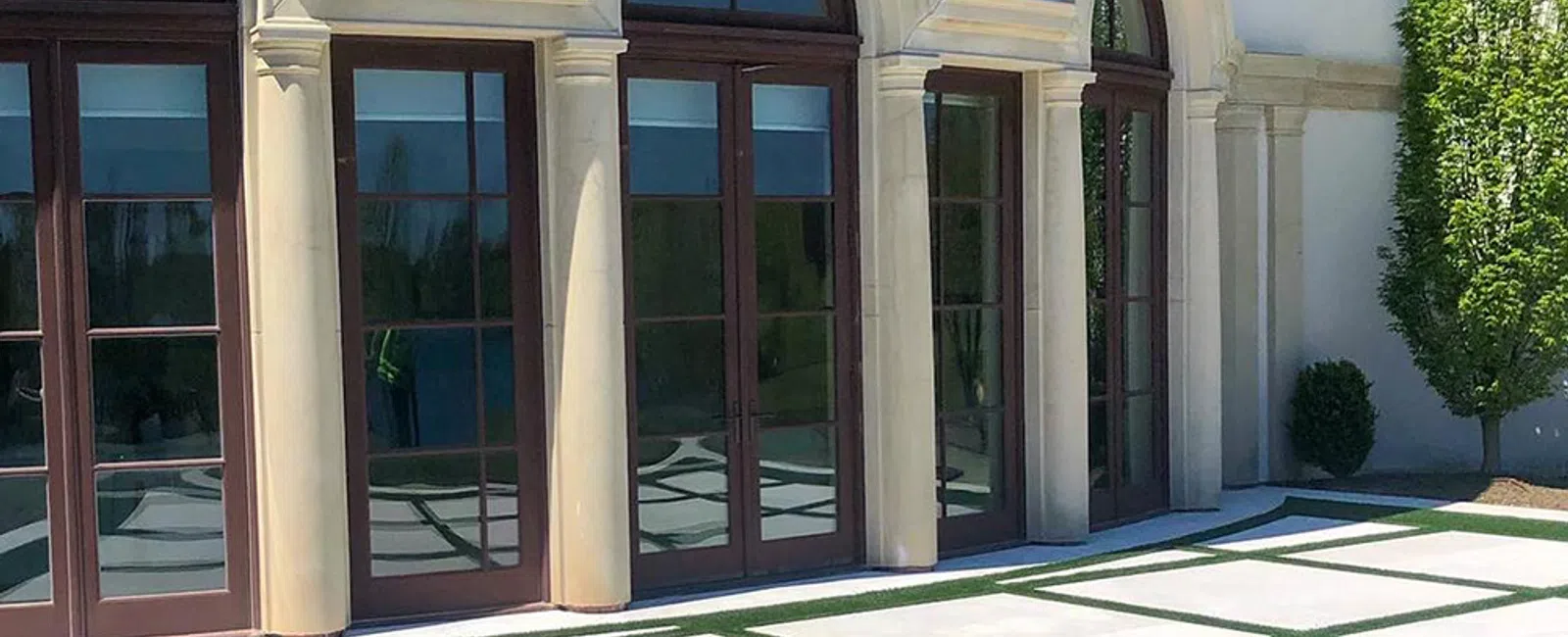
Artificial turf and stepping stones create one of the most visually appealing landscape combinations available to homeowners. When installed correctly, the pairing looks natural, requires very little maintenance, and adds lasting character to an outdoor space. Poor execution, however, can leave the landscape looking uneven and unable to stand the test of time. This guide explains how to approach artificial turf stepping stones properly, from layout planning to the finishing touches.
There is something inviting about a stone pathway winding through lush green grass. It creates a landscape that feels cared for without appearing overly formal.
Natural grass surrounding stepping stones often struggles with heavy foot traffic, leading to worn areas and patches of exposed soil that are difficult to maintain. Artificial turf eliminates that problem completely.
Designing The Layout Before You Install Anything
The single most important step in a stepping stone and turf installation is spending real time on the layout before any material is set or cut.
Walk the route you naturally take between the entrance and the destination. Place the stones temporarily on the existing surface and walk across them several times. Continue adjusting the spacing until it feels comfortable and matches a natural stride.
Even the most beautiful path can feel awkward if the stones are positioned incorrectly. Once the arrangement feels right, mark each location and take photographs before excavation begins. Movement should dictate the design. The layout that feels natural is the one worth building around.
Careful planning is what gives artificial turf stepping stones a balanced and intentional appearance.
Setting Stones At The Right Height
A seamless finish depends on placing the stepping stones level with the completed turf surface. Achieving this requires understanding the final height of the turf system before the stones are installed.
The turf, backing, and base materials create a specific finished elevation. Stones should be positioned so their surfaces align with that elevation.
Stones sitting too high above the turf become tripping hazards and immediately appear out of place. Stones positioned too low collect water and debris around their edges, creating a sunken appearance.
Success comes from treating both elements as part of the same project rather than approaching them separately. Artificial turf stepping stones look their best when height and spacing are planned together from the beginning.
Cutting Turf Around Irregular Stone Shapes
This is where the craft of installation really shows. Natural stones are irregular, and cutting artificial turf to fit tightly around an irregular edge requires patience and precision.
The cut should be close enough to create a clean appearance without being so tight that the turf bunches or pulls. A sharp utility knife and careful attention make a noticeable difference.
Every cut should follow the true contour of the stone instead of approximating the shape. Projects featuring several irregular stones involve repetitive detail work, but those details are what separate professional results from average ones.
When you are ready to take your yard from ordinary to genuinely impressive, reach out to our team for a free consultation. We design and install stepping stones and turf combinations that look like they belong, because they are planned that way from the start.