Turf and harsh weather go hand in hand in the Northeast, where outdoor surfaces must handle freezing temperatures, heavy rain, and intense seasonal shifts. Natural grass rarely holds up under these conditions without constant repair.
High-quality turf systems are built differently, allowing them to maintain their structure and appearance even when the environment becomes unpredictable.
Many property owners exploring artificial turf solutions want a surface that performs through every season without decline. Athletic facilities rely on similar durability when installing surfaces for sports fields that must remain consistent under heavy use and changing weather.
Commercial and residential properties also benefit from turf for landscaping, where visual consistency matters as much as performance.
The ability of turf to handle harsh conditions comes down to how the system is designed and installed.
Built for Temperature Extremes
The Northeast experiences wide temperature swings that can stress traditional surfaces. Freezing winters cause soil to expand, while summer heat can dry out natural grass and weaken root systems. These shifts lead to uneven ground and visible damage.
Artificial turf is designed to remain stable through these changes. The materials used in high-quality systems do not rely on soil health or root structure. This allows the surface to maintain its integrity regardless of temperature fluctuations.
Backing layers and infill materials are selected to handle expansion and contraction without creating gaps or movement. This stability means that the turf will remain even and secure throughout the year.
Advanced Drainage That Handles Heavy Rain
Rainfall and snowmelt can quickly devastate natural lawns. Water often pools on the surface or saturates the soil, creating muddy conditions that limit use. Over time, this leads to erosion and uneven areas that require ongoing attention.
Turf systems are designed with drainage as a central feature. Water passes through the surface and into the base layer below, where it is directed away from the area. This process helps prevent pooling and keeps the surface usable after storms.
Proper drainage also protects the structure of the installation. When water moves efficiently through the system, the base remains stable, reducing the risk of shifting or settling.
Resistance to Wear During Seasonal Changes
Seasonal transitions bring a mix of moisture, temperature changes, and increased activity. Natural grass often struggles to recover during these periods, leading to thinning and patchy areas.
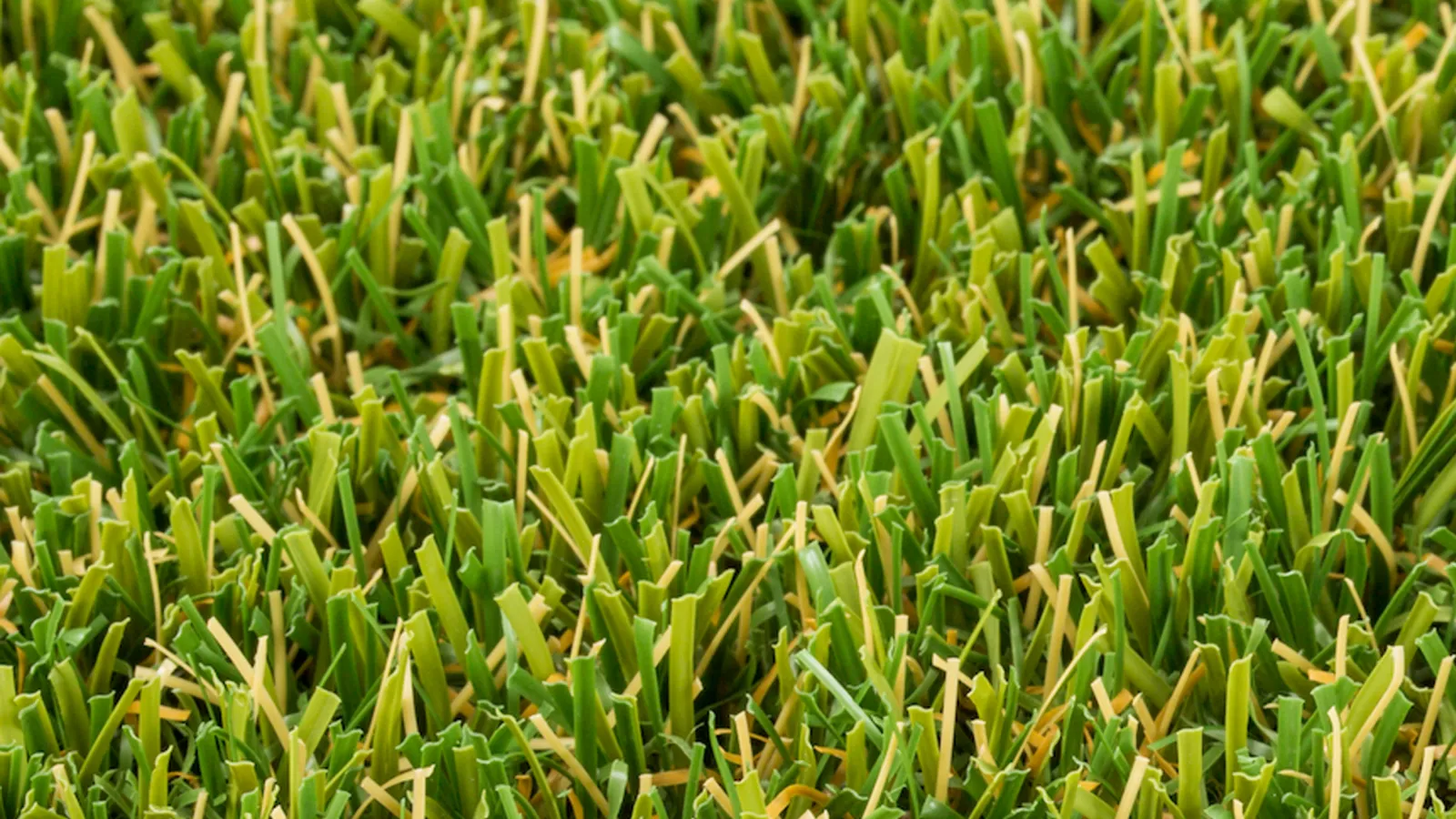
Artificial turf maintains a consistent appearance regardless of the season. The fibers are designed to resist flattening, even when exposed to repeated use and changing conditions. This durability allows the surface to perform reliably without visible wear.
Properties that experience heavy use benefit from this consistency. The surface remains intact, which supports both functionality and visual appeal.
Stability During Freeze and Thaw Cycles
Freeze and thaw cycles are common in the Northeast. These conditions can disrupt soil structure, causing natural grass to shift or develop uneven areas.
Turf systems are built on a compacted base that remains stable during these cycles. The materials used in the base layer are selected to resist movement, even when temperatures fluctuate.
This stability prevents the surface from developing dips or raised sections. The result is a level area that maintains its structure throughout the year.
UV Protection for Long-Term Appearance
Sun exposure can affect outdoor surfaces over time. Natural grass may dry out or lose its color during extended periods of sunlight.
High-quality turf includes UV protection that helps maintain its color and strength. The fibers are designed to resist fading, which keeps the surface looking consistent even after long exposure to the sun.
This feature is especially important for properties that rely on appearance as part of their overall presentation. A surface that maintains its color contributes to a polished look.
Reduced Impact from Wind and Debris
Strong winds can damage natural lawns by displacing soil and spreading debris. Leaves, dirt, and other materials can accumulate, affecting both appearance and usability.
Artificial turf is less affected by these conditions. The surface remains intact, and debris can be removed without disrupting the structure. This makes it easier to maintain a clean environment, even after storms.
The ability to handle wind and debris without damage adds to the overall durability of the system.
Consistent Performance Across Different Applications
Turf systems are used in numerous environments, from residential landscapes to athletic facilities. Each application requires a surface that can handle specific conditions while maintaining performance.
An artificial turf installer selects materials and designs systems based on how the space will be used. This approach helps make sure that the turf performs well under the conditions it will face.
Consistency across different applications highlights the versatility of turf. It can support both functional and aesthetic goals without compromising durability.
Why Installation Quality Matters
The performance of turf in harsh weather depends on more than just the materials. Installation matters greatly in how the system handles environmental conditions.
Improper installation can lead to drainage issues, uneven surfaces, and premature wear. These problems become more noticeable during extreme weather.
A professional installer prepares the site carefully, so the base, drainage, and surface layers work together. This level of detail allows the turf to perform as intended, even under tough conditions.
Long-Term Value in Challenging Climates
Investing in high-quality turf offers long-term value for properties in regions with demanding weather. The surface maintains its appearance and function without the ongoing repairs associated with natural grass.
This reliability reduces maintenance efforts and supports a consistent outdoor space. Property owners can focus on using their space rather than managing it.
The combination of durability, stability, and performance makes turf a practical choice for environments that experience frequent weather changes.
Work With Turf Tek for Weather-Resistant Turf Solutions
We install turf systems designed to handle the challenges of the Northeast. Our team sees how weather conditions impact outdoor surfaces, and we build each installation with that knowledge in mind.
From base preparation to final finishing, every step is completed with attention to detail.
We use premium materials that are selected for durability and long-term performance. Our experience across residential and commercial projects allows us to create surfaces that remain stable and visually consistent in all conditions.
When you work with us, you gain a team that is committed to delivering results that last.
If you are considering turf and harsh weather as part of your decision, we are ready to help. Contact us today to learn how we can create a surface that performs through every season.