July 10, 2026
Quick Summary
Artificial turf costs more upfront than sod but needs far less water, fertilizer, and mowing over its lifespan, while pavers sit at the high end for initial installation with almost no ongoing maintenance. Sod is the cheapest option to install but often carries the highest long-term costs from watering, mowing, and reseeding through Northeast winters. Choosing between the three usually comes down to budget timing: pay more now for turf or pavers, or pay less upfront and more each year with sod.
Planning a yard renovation usually comes down to one big decision, and comparing artificial turf vs. pavers vs. sod side by side makes that choice much clearer. Each option solves a different problem and fits a different budget, and the right pick depends on how much you're willing to spend now versus what you're willing to keep spending every year after.
Northeast weather adds another layer to the decision, since freeze-thaw cycles, heavy rain, and salt from winter roads treat these three materials very differently.
Comparing Upfront Costs
Sod is the cheapest option to get in the ground, but that low number only reflects the day of installation. Turf costs more upfront because of the base preparation, materials, and labor involved, and pavers often land at the top end due to excavation, base rock, and per-unit material costs.
Real pricing on any of these three depends heavily on square footage, site conditions, and the grade of material chosen, so treat the ranges above as a starting point rather than a firm number for your yard.
Long-Term Maintenance Costs
This is where the real cost differences start to show up.
- Sod needs regular mowing, fertilizing, seeding, and watering to stay green, adding up to hundreds of dollars a year in equipment, water, and lawn service.
- Pavers need occasional resealing, weed control between joints, and repair if the base shifts, but yearly costs stay fairly low.
- Turf needs almost nothing beyond occasional brushing and a hose-down, with the biggest expense being an infill top-off many years down the line.
Add up ten years of ownership, and sod is often the most expensive of the three once labor, water, and product costs get totaled.
Durability in Northeast Weather
Freeze-thaw cycles are hard on all three materials, just in different ways. Sod goes dormant and browns through winter, then needs reseeding in bare or damaged spots every spring. Pavers can heave or shift if the base wasn't compacted correctly, leading to uneven surfaces after a few winters.
Artificial turf installation holds up best against freeze-thaw movement when the base is built correctly, since the flexible surface handles ground movement without cracking the way a hard paver surface can.
Water Usage and Ongoing Bills
Sod is by far the thirstiest of the three, often needing regular watering through summer to avoid browning or dying off in patches. Pavers need no water at all once installed.
Turf also needs no regular watering, aside from an occasional rinse to clear dust or pollen, putting it much closer to pavers than sod on this front. For homeowners paying attention to water bills or drought restrictions, that gap adds up fast across a full season.
Which Option Fits Which Situation
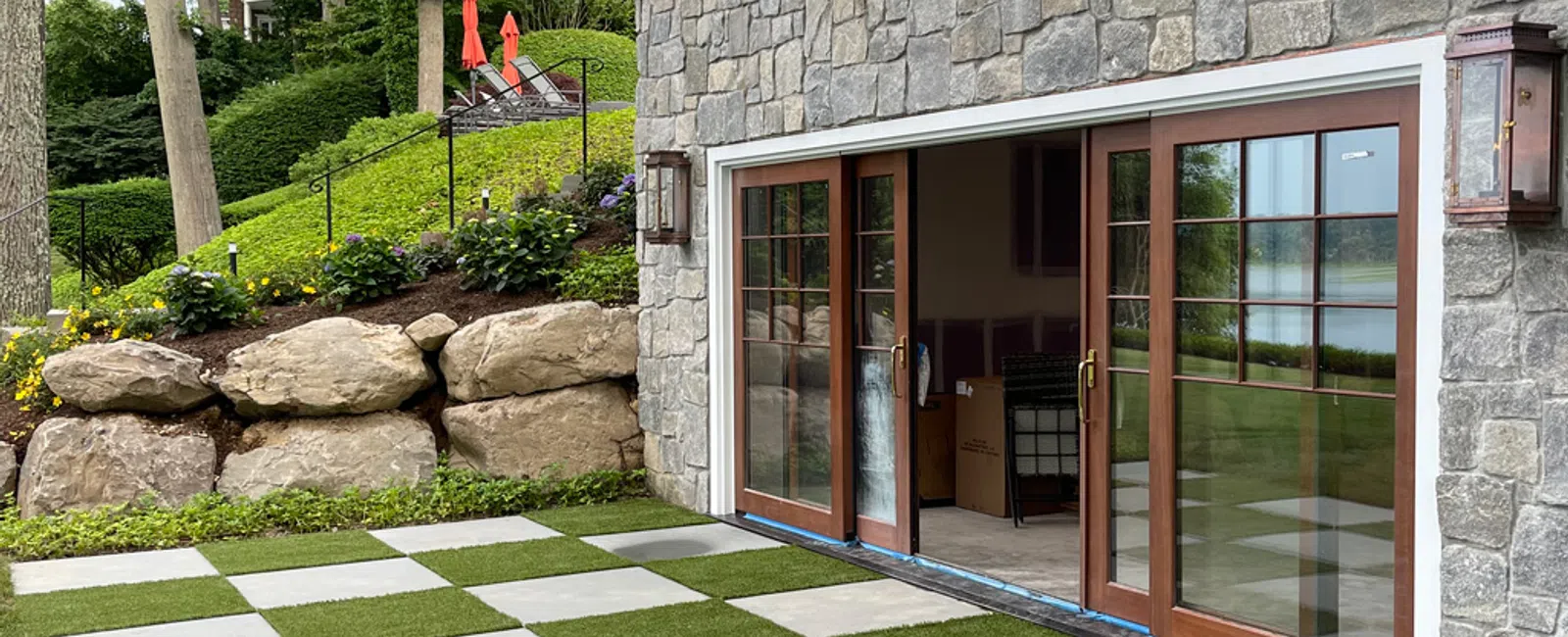
Sod makes sense for homeowners who want the lowest possible install cost and don't mind ongoing yard work. Pavers fit patios, walkways, and hardscape areas where a hard surface is the goal rather than a lawn look.
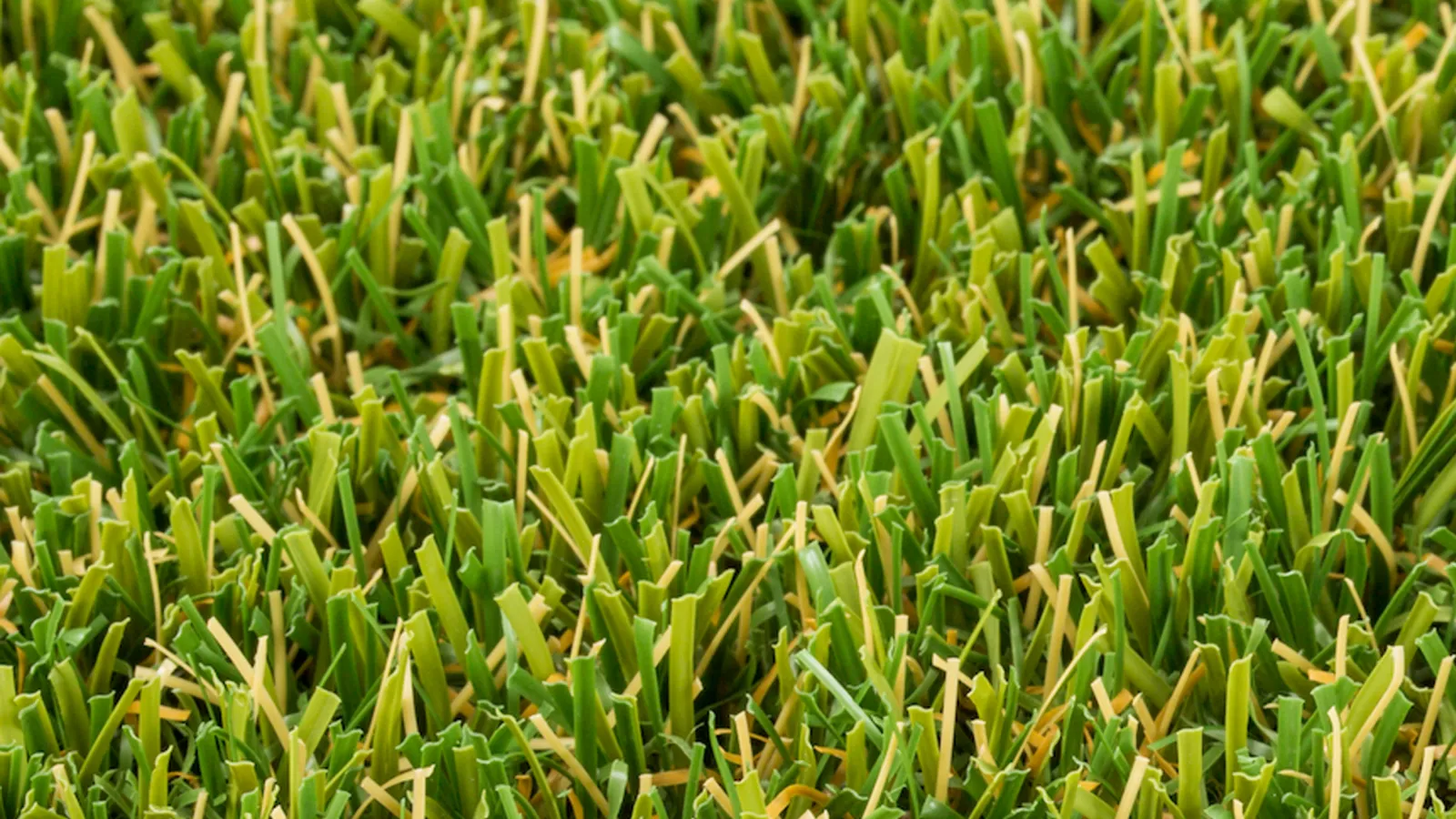
Artificial turf fits anywhere a green, lawn-like surface is wanted without the mowing, watering, and reseeding cycle that comes with real grass, and it holds up to pets, kids, and heavy use far better than sod does.
Get a Real Number for Your Project with Turf Tek USA
At Turf Tek USA, we install premium turf systems engineered for Northeast weather, and we're happy to walk you through how the numbers stack up for your specific property. Our team handles every stage of a turf installation in-house, from base prep to final seaming, using materials backed by our installation warranty.
If you're weighing turf against pavers or sod for an upcoming project, give Turf Tek USA a call for a free site visit and estimate, and we'll help you figure out which option truly fits your yard and your budget best.